
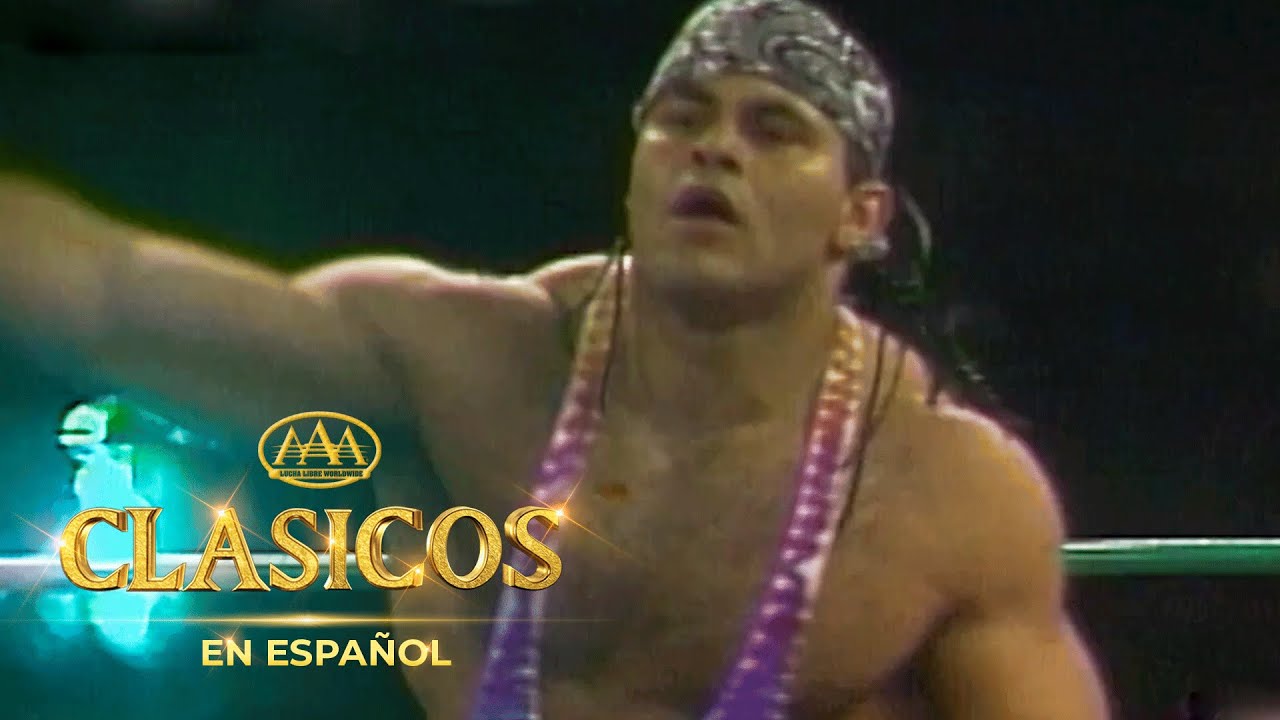
On April 30, 1993, AAA stopped looking like an exciting new promotion and started looking like a movement.
Its first TripleMania, staged at Mexico City's Plaza de Toros, was not just another major card. It was a scale test, a statement of ambition, and a bet that lucha libre fans were ready for something louder, flashier and more modern than what the established powers had been giving them. The bet hit. Estimates at the time put the crowd around 50,000, and the night is still remembered as one of the biggest gates and biggest spectacles in Mexican wrestling history.
That is the part worth remembering first. TripleMania I mattered because AAA was barely a year old. Antonio Peña had broken away from the old guard, brought television savvy and new presentation ideas with him, and built a product that felt alive. The promotion mixed established stars with younger high flyers, pushed bigger entrances and brighter visuals, and treated weekly shows as events instead of routine dates on the calendar. By the spring of 1993, that momentum had already made AAA hot. What April 30 did was prove the company could turn heat into something historic.
The timing helped. April 30 is Children's Day in Mexico, which made it a naturally powerful date for a promotion that had become especially popular with younger fans and families. But the holiday alone does not explain why so many people cared. AAA had spent months building emotional hooks that reached beyond a standard card announcement. The headline attraction was Konnan, arguably the promotion's biggest mainstream star, against Cien Caras in a loser-must-retire match. On the same show, Perro Aguayo put his hair on the line against Máscara Año 2000's mask. Those were not just strong lucha stipulations. They were feud-closing, identity-defining stakes, exactly the kind of matches that can make even casual fans feel like they need to be there.
Konnan's role in all of this is hard to overstate. He was not merely popular. He was the kind of crossover figure who made AAA feel current. He looked and carried himself differently from the older icons who had dominated prior eras, and Peña understood that putting him at the center of the promotion gave the whole company a different pulse. In the weeks before TripleMania, the Konnan vs. Cien Caras rivalry was treated like a national event. They were the top babyface and top heel in the country, which is the cleanest possible summary of why the match connected.
Cien Caras was the ideal opponent for that stage. He was a genuine headliner, a rudo fans wanted to see beaten, and he brought the weight of the Dinamitas name with him. That mattered because TripleMania was not simply trying to draw a giant crowd. It was trying to tell the audience that AAA had inherited the biggest rivalries, biggest personalities and biggest emotions in the sport. A packed bullring was the visual proof of concept.
And then there was the show itself, which delivered exactly the kind of chaos and payoff a first signature event needed. Cien Caras defeated Konnan in the retirement match after Jake Roberts, making his AAA debut, became part of the finish and helped create the controversy the promotion wanted to carry forward. Earlier on the card, Perro Aguayo sent the crowd home happy by winning the hair-versus-mask showdown and unmasking Máscara Año 2000. Lizmark and La Parka also had a standout title match that added further quality to a lineup already loaded with names that would define 1990s lucha.
The finish to Konnan vs. Cien Caras also tells you something important about Peña's booking philosophy. AAA was not interested only in clean sporting resolution. It wanted cliffhangers, angles and the sense that one giant night could spill into the next chapter. Konnan's loss did not close the book as neatly as the stipulation suggested, and that was part of the point. TripleMania was built as a supercard, but it was also built as television wrestling on the grandest stage possible, where controversy could be as valuable as closure.
That mix of spectacle and serial storytelling became one of AAA's defining strengths. The company understood that big event wrestling was not just about who won the main event. It was about making the promotion itself feel larger when the night was over than it did when the night began. TripleMania I accomplished that. The event did not merely give AAA a successful draw. It gave the promotion a mythology. From then on, TripleMania was not just a name borrowed in the spirit of WrestleMania. It was AAA's annual proof that it belonged at the center of the wrestling conversation.
There is a broader wrestling lesson in that success. Promotions often launch with energy, good talent and fresh ideas, then hit the wall when it is time to scale up. AAA did the opposite. It took the biggest risk imaginable for a company its age, booked the world's largest bullring, and turned the night into proof of what it believed itself to be. That is why April 30, 1993 still resonates beyond lucha nostalgia. It was the night a challenger brand stopped acting like a challenger and presented itself as the future.
The legacy reaches further than attendance figures. TripleMania became AAA's defining banner event. Konnan remained one of the key faces of the promotion's boom years. Peña's eye for presentation, pacing and star-making helped shape how a generation of fans understood televised lucha libre. Even now, when fans talk about the moments that made AAA impossible to dismiss, the first TripleMania is near the top of the list, because it captured the exact instant when bold vision became visible fact.
That is why this date matters. On April 30, 1993, AAA did more than run a successful supercard. It showed that Mexican wrestling could be sold with stadium-sized confidence, mainstream urgency and a sense of occasion that felt completely new. One year after the company came to life, TripleMania made it feel permanent.