
On June 6, 1993, Shawn Michaels beat Marty Jannetty in Albany, New York to regain the WWF Intercontinental Championship. On paper, that sounds like a routine title change. In practice, it was one of those small-looking nights that ended up telling you exactly where the company was headed.
The title switch happened at a house show, in front of roughly 3,000 fans, not on national television. Contemporary Observer coverage noted that Jannetty's reign lasted only 20 days, far shorter than most expected, and that Michaels got the belt back with help from a newly arrived bodyguard, Kevin Nash, who had just left WCW and had not even been given the name Diesel on WWF television yet.
That combination is what made June 6 matter. Michaels did not just get his championship back. WWF quietly put a major piece of its next few years on the board.
Jannetty's title win in May had felt like a genuine surprise. For longtime fans, there was emotion behind it because The Rockers split had left Michaels racing upward while Jannetty spent much of the next stretch trying to catch up. When Jannetty finally beat Michaels for the Intercontinental title, it came off like overdue reward, the kind of feel-good result early Raw could still spring on viewers before the show settled into more predictable rhythms.
That is part of why the reversal less than three weeks later felt so abrupt. WWF had no interest in making the Intercontinental championship a long-term Jannetty story. The point was to create a jolt, give him a career highlight, and then move the belt back onto the man the promotion saw as a foundational singles star.
Even that, by itself, would have been notable. Michaels was already becoming one of the most important wrestlers on the roster. The Intercontinental title was often the clearest sign of who WWF trusted to carry a show beneath the main event, and putting the championship back on Michaels confirmed that trust all over again. He had the swagger, the timing, and the kind of arrogance that translated instantly in that era, especially when the company was still figuring out which post-Hogan personalities could drive its weekly television.
But June 6 was bigger than a second Intercontinental title reign.
The real story was the giant standing next to Michaels.
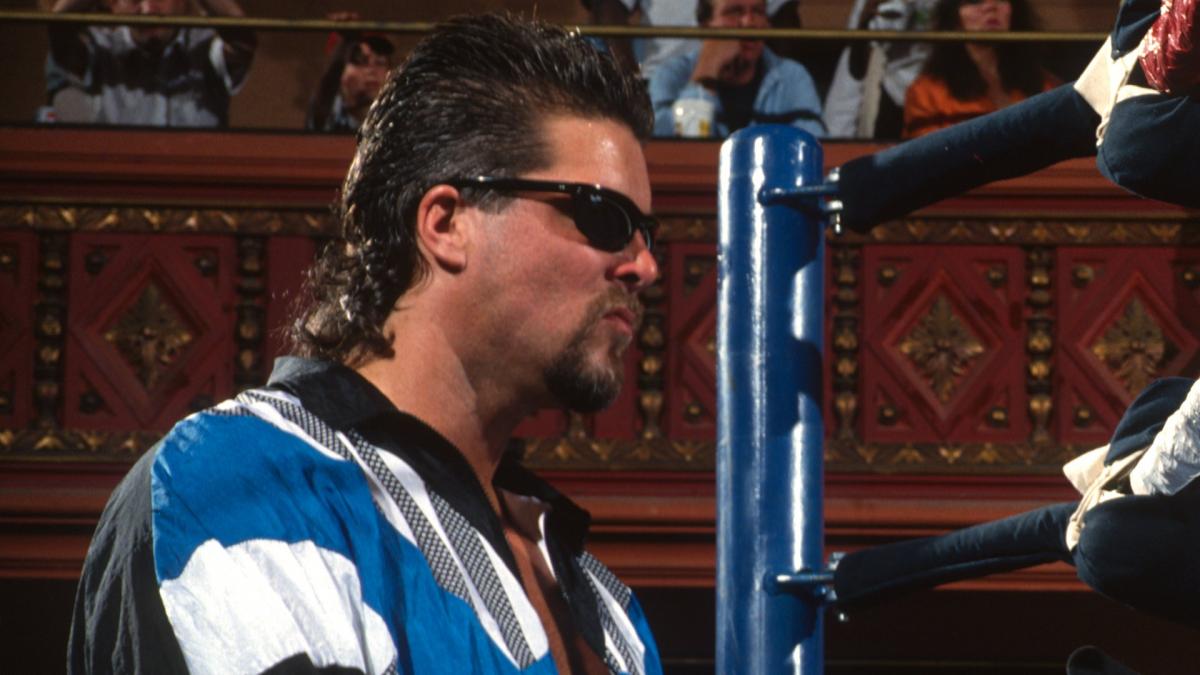
Observer coverage of the switch made clear that Nash was the difference in the match and that he appeared on Raw the following night alongside the new champion, still without an official character name. Within days, though, the shape of the act was obvious. Michaels had his heater. WWF had found a way to make one of its best talkers feel even more dangerous. And Nash, soon to be known as Diesel, suddenly had a role that fit him perfectly.
That pairing solved multiple problems at once. Michaels got protection and a visual upgrade. He no longer looked like a talented, cocky champion who might get outmuscled when the fight turned ugly. He looked connected, guarded, and harder to touch. Nash, meanwhile, entered the company in a spot that hid any need to rush him as a full singles worker while still presenting him as a star from day one. He was enormous, he looked intimidating, and he instantly mattered because Michaels instantly treated him like he mattered.
That formula worked.
It is easy now to think of Diesel mainly as the future WWF champion, or as one half of the backstage power circle that would shape the decade. On June 6, none of that was official yet. What was visible was the first draft of it. Nash was not introduced as a prospect working his way up. He arrived as muscle for one of the company's chosen acts, and in wrestling that usually tells you a lot about how seriously a promotion is taking someone.
There was also something fitting about the title change happening off television. In the early 1990s, house show switches still carried a different sort of mystique. They gave live crowds something genuinely exclusive and made the wider storyline feel less boxed in by TV cameras. By the time Raw acknowledged Michaels as champion on June 7, the company had already moved the story forward. Fans who were not in Albany had to catch up after the fact, and that gave the whole angle a slightly more chaotic energy than a standard studio-planned title switch.
For Jannetty, the night was a harsh reminder of his place in the pecking order. His brief reign still mattered because it gave him a singles accomplishment nobody could erase, and because it briefly reopened the old Rockers rivalry in a meaningful way. But the speed of the switch back said just as much as the original win did. WWF liked Jannetty, trusted him to help deliver a dramatic title moment, but did not view him as the long-term centerpiece of that division.
For Michaels, the title win became part of a larger climb. The Intercontinental belt stayed central to his act, and the months that followed only deepened his standing as one of the company's defining performers. Diesel's presence amplified everything. Michaels had always understood how to carry himself like a star. With a seven-foot bodyguard looming behind him, that confidence turned into a fuller presentation, one that felt more complete and more threatening.
That is why June 6, 1993 is worth remembering. It was not the biggest title match in WWF history, and it was not even shown to the national audience as it happened. But it changed the temperature around Shawn Michaels, introduced the alliance that helped launch Diesel in the company, and revealed which direction WWF was choosing at a key moment in the early Raw era.
Some championship changes matter because of the belt. This one mattered because of the future standing just outside the ropes. Shawn Michaels left Albany with the Intercontinental title again. WWF left Albany with the Michaels-Diesel pairing, and that turned out to be the more important prize.