
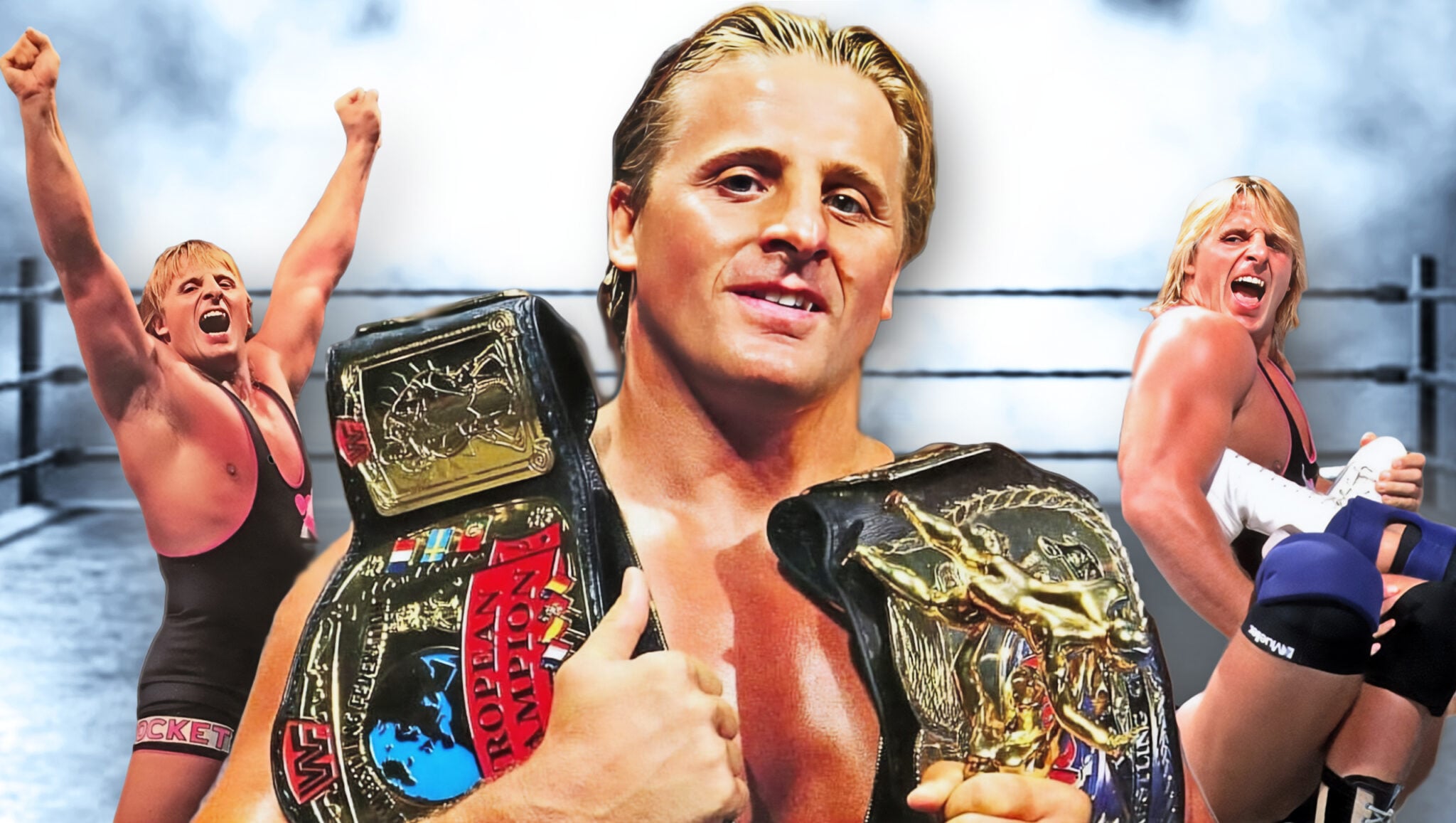
On May 23, 1999, wrestling collided with real life in the ugliest way imaginable.
Owen Hart died that night at Over the Edge in Kansas City after falling during a planned Blue Blazer entrance from the rafters at Kemper Arena. He was 34 years old, a husband, a father and one of the most gifted wrestlers his family ever produced. Fans had tuned in expecting another chaotic Attitude Era pay-per-view. Instead, they got the kind of date that still feels wrong when you read it back.
There have been other wrestler deaths that shook the business, and other scandals that changed how companies operated. This one felt different because it happened in the middle of the show, in front of a live arena and on a live pay-per-view broadcast, with the usual line between performance and reality suddenly gone. For one awful moment, wrestling stopped being a world fans could safely escape into.
The following week's Wrestling Observer Newsletter captured that rupture better than almost anyone. This was not just another sad story inside wrestling. It immediately became a moral scar on the whole industry.
When the illusion broke
Hart had been scheduled to challenge The Godfather for the Intercontinental title. Instead of a normal walk to the ring, he was set to descend in costume as the Blue Blazer, the comic superhero character WWF had revived and reworked into part parody, part nostalgia act. The entrance was supposed to get a laugh. It became one of the darkest moments the business has ever known.
Viewers at home never saw the fall itself. The cameras cut away, and announcers were left trying to explain something that should never have happened on a wrestling show. Fans in the building watched medics rush to help while many others at first thought it had to be part of the act. That confusion is part of what still makes the night so haunting. Wrestling had trained its audience to expect swerves, stunts and exaggeration. This time there was no twist, only shock.
The most debated decision from that night came after the accident. WWF continued the pay-per-view.
That choice has followed the company for decades, because it turned a tragedy into an ethical dividing line. Some people have always argued there was no good option once a live event, a paying crowd and a pay-per-view broadcast were already in motion. A lot more people looked at the decision and saw a business so conditioned to keep moving that it could not stop even when one of its own had died. That is the part of May 23 that still burns. The show went on, but nothing about it felt normal again.
Why Owen Hart mattered so much
If Owen Hart had only been a familiar midcard name, the loss still would have been devastating. But that was never who he was.
He was the youngest of Stu Hart's wrestling sons and maybe the most naturally explosive athlete of the group. He learned his trade in Stampede Wrestling, sharpened his timing in Japan and became the sort of performer other wrestlers studied closely. Owen could fly, mat wrestle, bump, sprint through counters and make the whole thing look easy. He had that rare balance of technical sharpness and personality. He could be deadly serious bell to bell, then turn around and play a smirking pest or a bratty little brother without losing the audience for a second.
That versatility is why his best work has aged so well. Fans remember the feud with Bret Hart because it felt painfully personal even inside a scripted family story. They remember him winning the King of the Ring in 1994, the tag team runs, the Intercontinental and European title reigns, and the way he could slide from comedy to cruelty in the middle of a match. He was not just respected. He was trusted. When Owen was in a big match, people expected it to be good.
He also occupied a particular place in wrestling's memory. Bret was the family standard-bearer and the larger historical figure, but Owen often felt like the brother fans discovered for themselves. He was looser, funnier, more unpredictable. Among wrestlers, he had the reputation of being one of the great locker room pranksters. On screen, he could make arrogance entertaining without draining the danger out of it. That made the loss hit on two levels at once. Wrestling lost a major talent, and a lot of people inside the business lost one of the most well-liked men in it.
The wound that never fully closed
The aftermath reached far beyond one pay-per-view. The Over the Edge name was retired. Lawsuits followed, ending in a settlement with Hart's family. Promoters and television companies had to reckon, at least in public, with the obvious truth that wrestling's appetite for spectacle had crossed into negligence.
But the deeper impact was emotional.
For a generation of fans, Owen Hart's death became the moment when wrestling's backstage risks stopped feeling abstract. People had always known the business was hard on the body. They knew about pills, pain, old injuries and shortened lives. May 23, 1999 forced a different conversation. This was not about the long-term wear of the ring. This was about a preventable stunt, performed for a character entrance, ending with a wrestler dead before his match could even begin.
That is why the date still carries such weight. It is not only about grief. It is about trust. Fans trust that no matter how violent a wrestling show looks, the people in the ring are working inside a set of protections. Wrestlers trust promoters not to ask for something reckless in exchange for a cheap visual. When Owen died, that trust was shattered.
And yet, even with all of that, the lasting memory should not be only the horror of the accident.
Owen Hart endures because he was too good, too charismatic and too distinctive to be reduced to the worst night of wrestling's modern era. Go back to the Bret feud, the 1994 run, the snap in his offense, the perfect timing in his reactions, the way he could make a crowd laugh and then pull them back into a match a second later. The tragedy is part of his story, but it is not the sum of it.
That is the hard part of remembering May 23 properly. You cannot talk honestly about the date without facing what happened at Over the Edge and how badly wrestling failed him. But if you stop there, you miss why people are still talking about Owen Hart all these years later.
They remember him because he was excellent. They remember him because he made almost every card better. They remember him because his career still feels unfinished, and because the circumstances of his death still feel unnecessary. On a calendar full of wrestling anniversaries, some dates celebrate greatness and some mark turning points. May 23, 1999 is one of the rare dates that does both at once, while still feeling unbearably sad.