
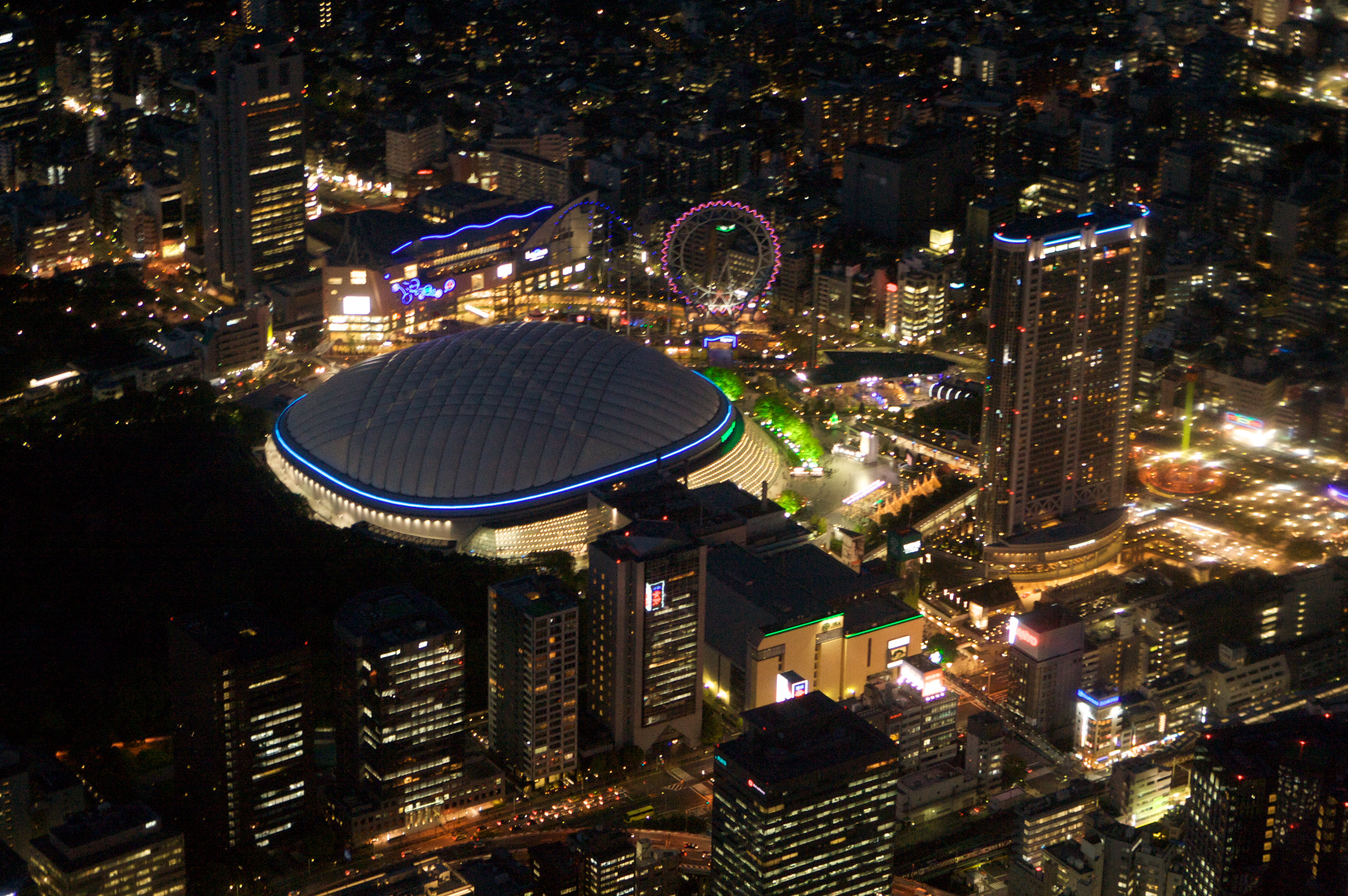
On May 1, 2000, Kazushi Sakuraba defeated Royce Gracie at the Tokyo Dome after 90 punishing minutes and gave one of the most remarkable performances ever produced by a wrestler in a real fight.
That line still carries a little shock, even now.
Sakuraba was not framed as a novelty outsider wandering into somebody else's world. He was a professional wrestler, shaped by the shoot-style lineage that ran from UWF to UWFi and through Nobuhiko Takada's orbit, stepping into the biggest mixed martial arts spectacle Japan had yet seen. Across from him was Royce Gracie, the early UFC icon whose family name had been treated as close to untouchable for years.
When Sakuraba won, it was not by fluke, controversy or technicality. He kept coming until Royce's corner finally threw in the towel.
That is why this date matters so much to wrestling history, even if the bout itself happened under PRIDE rules rather than inside a wrestling ring. Sakuraba's victory was a triumph for a wrestler's toughness, creativity and adaptability at a time when the border between pro wrestling and fight culture in Japan was still volatile, blurry and incredibly important.
The wider story had been building for a while. The Gracie name already held enormous weight in both MMA and wrestling-adjacent circles because of what Rickson Gracie's win over Takada had represented in Japan. Those fights were not just combat sports events. They were wrapped up in questions of style, legitimacy, pride and the reputation of whole wrestling systems. Sakuraba had already beaten Royler Gracie before this, which set the stage for something even bigger. Royce came in carrying the family's most famous aura.
The stakes made the match feel larger than a normal tournament bout. The May 8, 2000 Wrestling Observer Newsletter described it as part of the highest-profile MMA show in history, and that fit the mood. More than 38,000 fans were in the Tokyo Dome. A huge part of the attention centered on whether a Japanese pro wrestler could solve the Gracie mystique again, this time against the brother whose early UFC run had helped define the sport for a generation.
Sakuraba did not win by overwhelming strength. He won by making the fight last long enough for his stubbornness, pacing and imagination to matter more than reputation. The match was contested under special rules that allowed it to keep going in 15-minute rounds, and that turned it into a test of will as much as technique. Sakuraba kept attacking the legs, kept forcing movement, kept making Royce work. Over time the pressure built into damage.
By the sixth round, the image had flipped. The supposedly impossible task no longer looked impossible. It looked inevitable. Royce could not continue, and his corner ended it.
What makes this so fascinating from a wrestling perspective is that Sakuraba never felt disconnected from his wrestling identity. He was not a pure outsider trying to hide where he came from. He looked, carried himself and fought like someone shaped by the strange, hybrid world that Japanese wrestling had been building for years. His background in shoot-style wrestling was not an embarrassment to be explained away. It was central to why this win resonated.
Japanese wrestling in the 1990s had spent years playing with realism, borrowing from combat sports and teaching audiences to see certain wrestlers as more than performers working scripted drama. Sometimes that crossover thinking led to great business. Sometimes it led to self-defeating attempts to prove wrestling's toughness the hard way. On this night, though, the whole experiment found its most compelling payoff. A wrestler beat one of the most famous real fighters in the world, under rules tilted toward the other side, on one of the biggest stages available.
That is a powerful piece of wrestling history, whether or not a title belt was involved.
It also helped define Sakuraba's place in the culture of the era. There have been many wrestlers who looked credible. There have been many who borrowed the language of fighting. There have not been many who could step into that kind of spotlight and leave with this kind of result. Sakuraba's performance made him feel singular, not just as a fighter, but as a product of wrestling's most ambitious and dangerous ideas about itself.
There was another layer to it as well. The Tokyo Dome crowd that night was not made up of strangers to pro wrestling's rhythms. PRIDE in that period drew heavily from the same audience that had followed New Japan, UWFi and the broader Japanese scene. The emotional current around Sakuraba was tied to more than the bracket. Fans understood what it meant for somebody from that lineage to survive, adapt and beat a Gracie cleanly. It landed as sport, but it also landed as vindication.
And then, because Sakuraba's legend was never built on moderation, the night kept going. After surviving the full 90 minutes with Royce, he came back out for the next round of the tournament and pushed on against Igor Vovchanchyn until exhaustion finally caught up with him. That part matters because it completes the picture. Sakuraba was not just the winner of one heroic fight. He became the human symbol of the event, the man whose endurance turned the whole show into something people would keep talking about long after the bracket itself faded.
In pure historical terms, there are bigger gates, bigger houses and bigger title changes. But not many dates capture the strange genius of wrestling's crossover era better than this one. Sakuraba's victory was part athletic achievement, part cultural moment and part proof that a wrestling tradition had spent years insisting it belonged in serious combat conversations for a reason.
On May 1, 2000, that argument had its clearest proof.
A pro wrestler went 90 minutes with Royce Gracie, kept breaking him down, and won in the Tokyo Dome.
That is the kind of sentence that turns a date into history.