
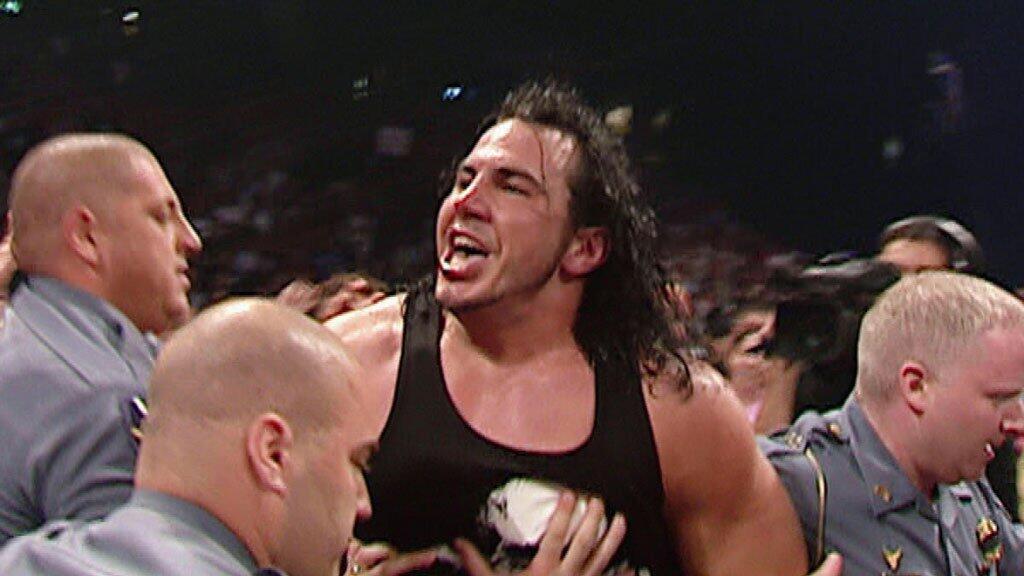
On July 11, 2005, WWE took one of the ugliest real-life stories it had on its hands and pushed it straight into the middle of Raw.
Matt Hardy's surprise return in East Rutherford, New Jersey was not a normal comeback angle. It was messy on purpose, uncomfortable by design, and effective because the audience already knew far more than wrestling companies usually want viewers to know. By the time Hardy hit the ring and went after Edge, fans were not reacting to a simple heel-vs-babyface setup. They were reacting to months of gossip, anger, sympathy and the very public sense that WWE had lost control of the story before deciding to profit from it.
That was what made the moment feel different.
Hardy had been out of the company only a few months earlier after his real-life relationship with Lita fell apart and her involvement with Edge became wrestling's most talked-about off-screen drama. Crowds had already made their feelings clear. They chanted for Hardy on television, booed the people they believed had wronged him, and treated the whole situation less like tabloid dirt and more like a grievance that needed an answer. WWE tried to contain it, then tease it, then finally leaned into it once it became obvious the noise was not going away.
The company had already flirted with the idea on the June 20 wedding segment involving Edge and Lita, when Hardy's music played and the audience erupted. But July 11 was the night the tension stopped being a wink and became the whole point of the segment. Contemporary Observer coverage described Hardy's return as the biggest news of that chaotic week in WWE, larger in the moment than the draft reshuffling, the roster cuts and even major SummerSlam planning changes.
The scene itself still holds up because of how carefully it was built to look reckless. Hardy first appeared briefly backstage going after Edge, which put the crowd on alert that something was brewing. Later, after Edge's television match with Kane, Hardy charged into the ring and attacked again. He used real names, referenced Ring of Honor on WWE television, shouted at John Laurinaitis, the executive who had fired him, and created just enough disorder to make viewers wonder how much of this was approved and how much of it was actually spinning out of control. He was eventually handcuffed and dragged away, but that did not calm the segment down. If anything, it made the whole thing feel more volatile.
That volatility was the hook. Wrestling had done worked-shoot material before, but a lot of it felt like writers borrowing the language of reality without the stakes. This one landed because the audience had already chosen a side before the bell ever rang. Hardy was not being introduced as a freshly scripted hero. He was being received like a man fans believed had a legitimate reason to be furious, and that emotional head start made every second of the segment hotter than a standard return angle could have been.
It also mattered that WWE had not stumbled blindly into it. Observer reporting from the time noted that the basic idea for bringing Hardy back had been put together in mid-June, and that there had been real internal debate over whether to do it at all. Vince McMahon wanted the story framed clearly enough that even viewers who did not live on wrestling message boards could follow it, which is why Raw telegraphed Hardy's presence earlier in the show instead of having him appear entirely out of nowhere. In other words, the company was trying to package chaos without sanding off the danger that made it attractive.
That balancing act changed the direction of WWE's summer. Edge had been positioned for a WWE title program with John Cena at SummerSlam, but Hardy's return was so potent that the company moved away from that path and steered Edge into the feud everyone was suddenly paying to see. That is one of the clearest signs of why July 11 mattered. This was not just a memorable angle. It was a genuine booking pivot, the kind that only happens when fan sentiment becomes too loud to dismiss.
It also said something revealing about the era. Mid-2000s WWE was already comfortable blurring the line between performance and reality, but the Hardy return showed both the power and the risk of doing it with raw material that had not fully cooled. The segment worked because it felt personal. It also carried a nastiness that the company could never completely control once it invited the audience to participate. Fans did not watch this as a clever fiction. They watched it as a score being settled in public, and that made every future chapter harder to contain.
For Hardy, the return briefly turned him into something bigger than the role he had occupied before his release. He was no longer just one half of a famous tag team or a dependable midcard singles act. On that night he became the vessel for a crowd that believed it had been ignored. For Edge, it hardened an already growing reputation as one of WWE's most effective villains, because now the boos were not just about storyline arrogance. They were tied to something viewers felt they understood on a personal level.
The feud that followed had its highs and its frustrations, and like many angles built from real hurt, it could never fully live up to the first jolt. But that does not diminish the importance of July 11 itself. The power of the date is in the instant before everything becomes routine again, when the audience still thinks it might be watching something it was never really supposed to see.
That is why this return endures. WWE has done bigger debuts, better matches and slicker invasions. Few have carried this kind of tension. On this day in 2005, Matt Hardy came back to Raw and forced the biggest wrestling company in the world to admit that reality had become its hottest storyline.