
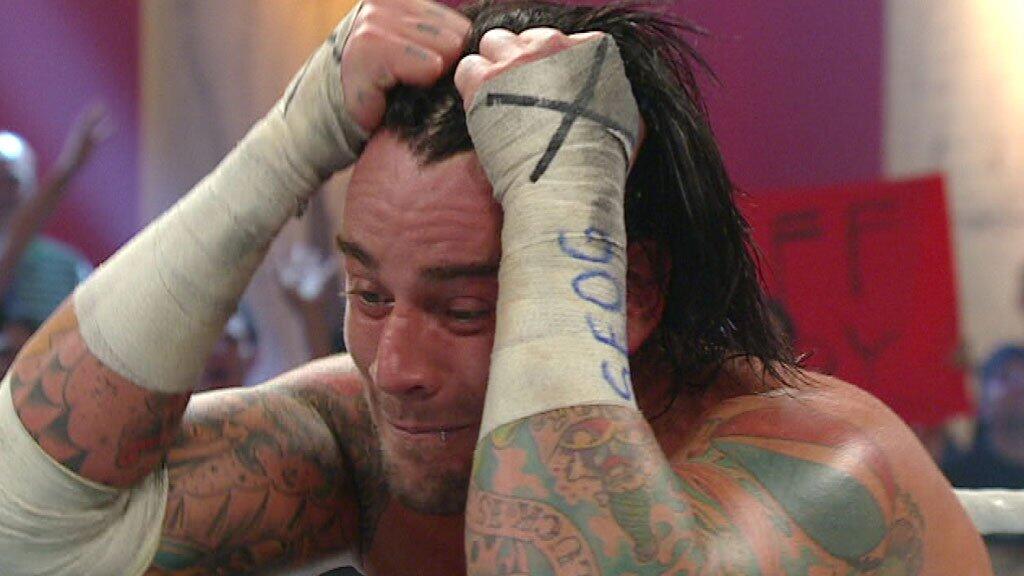
On July 26, 2009, Jeff Hardy beat CM Punk at Night of Champions and turned a summer-long chase into one of the last great feel-good title wins of his WWE run.
That is what makes the night stick. Hardy had already reached the top before, but this win felt different because it came with a strange mix of joy and fragility. Fans in Philadelphia were not just reacting to a title change. They were reacting to the sense that Hardy had finally fought through every obstacle Punk had put in front of him, even if nobody could be fully sure how long the moment would last.
The story heading into Night of Champions had given the match real emotional weight. Hardy had climbed the ladder and won the World Heavyweight Championship from Edge at Extreme Rules the month before, only for Punk to cash in Money in the Bank almost immediately and steal the title from him. That alone gave the rivalry a sharp edge, but the rematch at The Bash made it hotter. Hardy looked to have won the championship back that night, only for the referee to spot Punk's foot under the ropes. When the match restarted, Punk got himself disqualified rather than lose the belt.
By the time they met again on July 26, the feud was no longer just about a championship. Punk had built himself into an infuriating moral preacher, talking down to Hardy as a reckless mess who could never match his discipline. Hardy, meanwhile, was wrestling as the flawed but fearless star fans desperately wanted to see beat him. It was a simple wrestling dynamic, but a powerful one. Punk had the belt and the smug certainty. Hardy had the connection with the crowd.
Night of Champions gave that story the payoff it needed. WWE drew 17,774 fans to the Wachovia Center, and the Hardy-Punk match landed as one of the clear high points on a show that otherwise did not leave much of a lasting reputation. Punk threw everything at Hardy and still could not keep him down. Even the Go to Sleep was not enough. When the champion finally tried to leave with the title, Hardy dragged him back into the fight, hit the Twist of Fate, and followed it with the Swanton Bomb for the pin.
It was not just the finish that mattered. It was the release after weeks of frustration. Hardy had spent the summer looking like a man who could reach the prize but not hold onto it. On this night, he got the clean win he had been denied. He was not being protected in defeat. He was not being robbed by timing or technicalities. He beat Punk in the middle of the ring and celebrated with the championship while the building roared for him.
That celebration is a huge part of why July 26 still matters. There have been bigger title wins in WWE history and longer reigns, but not many that captured Hardy's appeal more clearly than this one. He always felt a little different from the polished top stars around him. He carried himself like somebody who could break the match open at any moment, or crash and burn trying. Fans saw that volatility as part of the charm. When Hardy won, it did not feel like a corporate coronation. It felt like the audience had willed one of its own back to the top.
Contemporary reporting in the Wrestling Observer Newsletter added another layer to the night by noting that Hardy was expected to leave the company after SummerSlam. That gave the title switch an extra tension even in the moment. Instead of feeling like the start of a long, stable championship run, the win felt almost borrowed. Hardy had earned the scene everybody wanted, but there was already a sense that the clock was ticking.
That is also why the match aged so well. The aftermath sharpened the memory instead of dulling it. Less than a month later, Punk beat Hardy in a TLC match at SummerSlam to regain the World Heavyweight Championship. Days after that, their feud ended with the Loser Leaves WWE steel cage match on SmackDown, and Hardy was gone. Knowing what came next makes the Night of Champions win feel even more poignant. It was not the beginning of Hardy's era. It was the last great exhale before the feud closed around him.
The rivalry itself remains one of the smartest WWE programs of that period because it leaned into what both men already represented. Punk weaponized self-righteousness before it became one of the defining traits of his career. Hardy, with all his risk and unpredictability, became the ideal opponent for that version of Punk. One man claimed superiority because he had control. The other had the crowd because he always felt one second away from disaster and one second away from brilliance.
July 26, 2009 was the night Hardy got to win that argument, if only for a little while. He did not just regain the World Heavyweight Championship. He reclaimed the emotional center of the feud. For one night, the story belonged entirely to him, not to Punk's sermons, not to the looming contract questions, and not to the bad ending that was still waiting down the road.
That is why this date still lands. Jeff Hardy's reign after Night of Champions was brief, but the feeling of the victory was not. It was the sound of a crowd getting the answer it wanted, the image of a battered fan favorite standing tall with the title, and the last WWE championship celebration of Hardy's career that truly felt uncomplicated.
On this day in 2009, Jeff Hardy did not just win a belt back. He gave one of wrestling's most passionate fan bases a final summer moment to hold onto.