
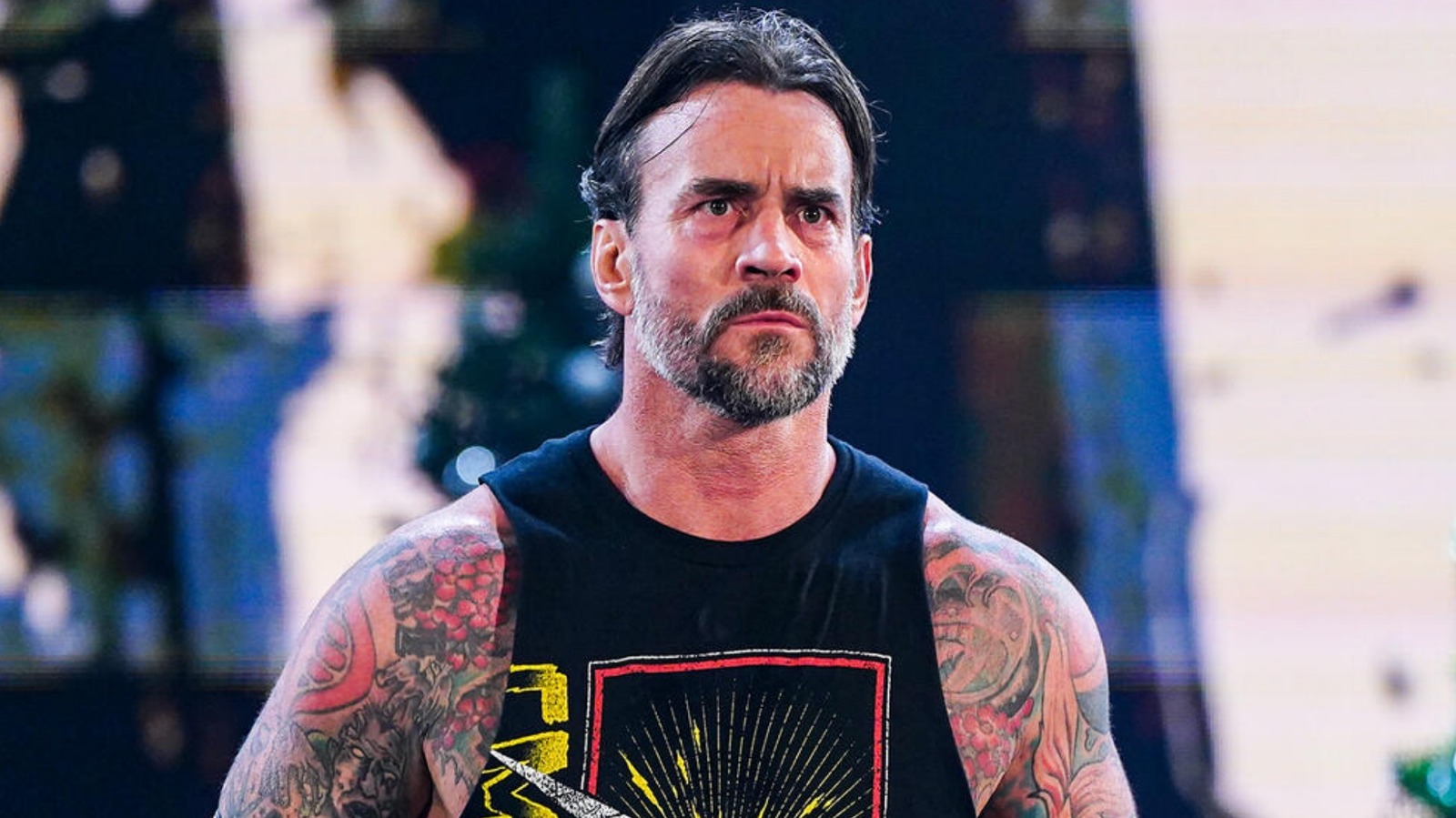
On July 17, 2011, WWE walked into the Allstate Arena with a hot title feud and walked out with something much bigger. By the end of the night, CM Punk had beaten John Cena for the WWE Championship, escaped through the Chicago crowd with the belt in his hands, and turned a summer pay-per-view main event into one of the most enduring images of modern wrestling.
What made it hit so hard was how perfectly the real world tension and the on-screen story lined up. Punk had spent weeks tearing into the company, arguing that he was the best performer in the promotion while still being treated as less important than the chosen faces of the brand. His contract expiration had been folded directly into the match build, with the story built around the idea that he could win the title in his hometown and leave with it before midnight. That is the kind of stipulation that can feel cute or contrived when the audience does not buy it. In Chicago, fans bought every second.
The setting mattered. This was not just another loud WWE pay-per-view crowd. Punk was wrestling in the orbit of his own city, and the audience treated him less like a challenger and more like the local hero coming home to settle a score. Cena, who had spent years as the company's unshakable centerpiece, walked into a building that wanted to see the entire machine shaken. The announced crowd was 14,815, and the noise gave the match a big-fight atmosphere before either man had done much of anything.
That energy also raised the stakes for Cena's role in the story. He was not working against a conventional heel. He was working against a wrestler who had become the mouthpiece for every fan who thought WWE had grown too polished, too controlled and too unwilling to reward the performer who felt most alive in the moment. Cena's genius in that era was that he understood how to be the perfect opponent for that kind of rebellion. He did not fight the crowd. He wrestled through it.
Once the bell rang, the match lived up to everything around it. Cena and Punk did not try to outrun the emotion with nonstop spectacle. They let the audience breathe with every near fall and every momentum shift. Punk wrestled with urgency, but also with the calm of someone who knew the building was with him. Cena gave him the kind of measured, high-level performance that only works when a wrestler is willing to let the other man own parts of the night. The result was a main event that felt dramatic before the finishing stretch even began.
Then WWE added the chaos that made the finish unforgettable. Cena had Punk trapped in the STF when Vince McMahon and John Laurinaitis came out, clearly intending to force a tainted ending and stop Punk from leaving as champion. Instead of playing along, Cena broke the hold, jumped out of the ring and attacked Laurinaitis. It was a small decision inside the match, but it mattered. Cena was not going to let his biggest match of the summer be decided by a cheap recreation of an old screwjob.
That split-second act of defiance opened the door for Punk. When Cena turned back around, Punk caught him with the Go to Sleep and scored the pin. McMahon immediately tried to salvage the situation by sending Alberto Del Rio to the ring with the Raw Money in the Bank briefcase, but Punk shut that down too, drilling Del Rio with a kick before he could cash in. Then came the image that made the whole night immortal. Punk climbed into the crowd and disappeared with the title as the show ended, looking less like a champion celebrating and more like a man hijacking the company in plain sight.
Contemporary Observer coverage treated the show as one of WWE's great modern pay-per-view peaks, comparing the emotional force in the building to rare nights when the crowd itself becomes part of the legend. That was the real story of July 17. The match was excellent, the finish was clever, and the angle was hot, but what pushed it into history was the feeling that the audience and the performer had taken control of the night together.
That is why this date still matters. Punk's win was not just a title change. It was the launch point for the Summer of Punk, a storyline that briefly made WWE feel less predictable and more dangerous than it had in years. The next night's television tried to answer the chaos by removing McMahon from power in storyline and rushing to crown a new champion, which only showed how much the company understood it had stumbled into something unusually potent. For a few weeks, the WWE title felt unstable in the best possible way. It felt like the center of the wrestling world again.
It also changed how people remember Punk. He had already been a world champion and already proved himself as one of the sharpest talkers in wrestling. But this was the night he stopped feeling like an alternative choice and became the story. Beating Cena clean in that atmosphere, with the entire promotion's creative weight hanging on the result, made him feel undeniable. Even people who did not love everything that followed still tend to come back to this night as the moment when Punk fully arrived as a top-tier star on his own terms.
For Cena, the match became one of the strongest examples of why his legacy has aged so well. He lost the title, got booed in Punk's backyard and still came out of the night looking central to the whole drama. He understood that the match was not about protecting his aura. It was about giving the moment the shape it needed. That is a big reason the bout still holds up beyond the storyline around it.
A lot of major wrestling matches are remembered for one spot, one turn or one piece of business that spread across the internet the next morning. Money in the Bank 2011 was bigger than that. It was a rare case where the match quality, the crowd, the storyline and the cultural timing all met in exactly the right place. On that night in suburban Chicago, CM Punk did not just win the WWE Championship. He won the kind of moment wrestlers spend their whole careers chasing, one that still feels alive the second you bring it up.