
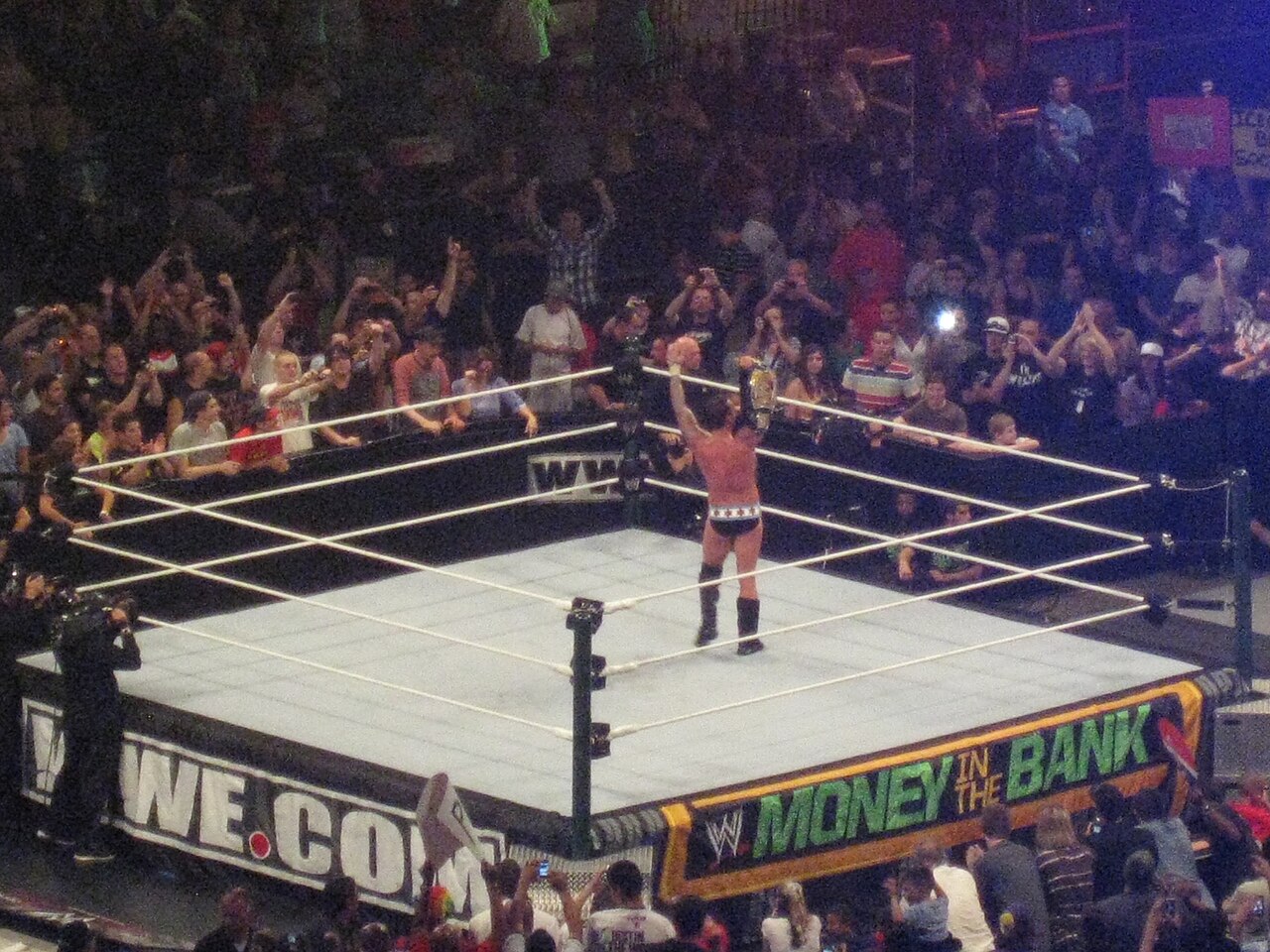
On June 27, 2011, CM Punk walked onto the Raw stage in Las Vegas, sat down cross-legged, and changed the mood of WWE in a single segment.
The promo would come to be known as the pipe bomb, but what mattered in the moment was how alive it felt. Punk was not speaking like a wrestler delivering a neat setup for next month's pay-per-view. He sounded like someone who had found the exact pressure point of the company he worked for and decided to dig his thumb into it on live television.
That was the hook. The reason the segment lasted was everything underneath it.
WWE was in an uneasy place that summer. John Cena was still the face of the company, still a proven draw, still the man the promotion trusted when it needed stability. But stability was part of the problem. The shows often felt too controlled, too polished, too aware of their own boundaries. Punk, by contrast, was presenting himself as a gifted wrestler with one foot out the door, a challenger whose contract was about to expire just as he lined up for a WWE title shot against Cena at Money in the Bank in Chicago on July 17.
That setup already had real tension. Chicago was Punk's city. Cena was the symbol of the machine Punk was pushing against. The title match had a natural emotional charge before a word was said on June 27.
Then Punk took the microphone and blew the whole thing open.
Contemporary Observer coverage framed it as one of the most talked-about wrestling promos in years, and it is hard to argue with that. Punk tore into the McMahon family, mocked the culture of corporate loyalty around Vince McMahon, name-checked John Laurinaitis, invoked Paul Heyman and Brock Lesnar, and teased the idea of leaving WWE with the championship for Ring of Honor or New Japan Pro Wrestling. He was not just insulting rivals or hyping a match. He was dragging company politics, fan complaints, and internet-era wrestling discourse into the middle of Raw.
That was what made the segment feel different from the usual worked-shoot flirtation. Punk was not merely winking at smart fans. He was speaking in their language while still making the story legible to everybody else. Even viewers who did not catch every insider reference could understand the larger point. This wrestler was angry, he thought the system was rotten, and he believed he was good enough to embarrass the people running it.
The ending mattered just as much as the words. As Punk kept going, his microphone was cut and the show faded out. It was a simple production choice, but it gave the segment the exact finish it needed. WWE did not try to tidy the moment up. It let the audience sit with the interruption, which made the whole thing feel bigger, almost as if the company itself had panicked and pulled the plug.
That cliffhanger turned a strong promo into a cultural event.
It is easy now to reduce the pipe bomb to a collection of famous lines and GIFs, but the real significance of June 27 was structural. Punk changed the scale of the Cena match in one night. Before Raw, Money in the Bank looked like a strong pay-per-view main event built around a popular challenger in his hometown. After Raw, it felt like a referendum on WWE's identity. Fans were no longer only asking whether Cena would retain. They were asking how far the company would go with an angle built around the possibility of one of its best talkers exposing the whole operation and walking away with the belt.
That is a much bigger story, and a much harder one to create.
It also reshaped Punk himself. He had already proven he could wrestle at a main event level. He had already shown flashes as a top promo. But June 27 was the night he became impossible to ignore. The segment clarified his value in a way even a title win would not have done on its own. Punk suddenly felt like the rare wrestler who could hold the company's official story in one hand and his own competing version in the other.
Wrestling has always thrived when it can blur the line between the promotion's script and the audience's suspicions about what is really going on. The trick is that most attempts at that kind of blurring feel calculated. Punk's promo felt dangerous because it was rooted in truths fans already believed about WWE's creative habits, its hierarchy, and the ceiling placed on certain performers. Whether every beat was planned was almost beside the point. The segment succeeded because it sounded emotionally true.
The aftershocks lasted well beyond one summer. Punk's July 17 match with Cena became one of the defining WWE main events of the 2010s, and the promo helped establish a model that countless wrestlers and promotions have chased since: speak with enough honesty that the audience starts debating where the performance ends. Not everyone who tries that style can make it work. Punk could, because he had the timing, the credibility, and the sense to aim at targets people already cared about.
There is also a reason June 27 still resonates more than many bigger matches or title changes. Great wrestling moments do not always come from moves. Sometimes they come from tone. Sometimes they come from a company briefly feeling less guarded than usual. For one night in Las Vegas, WWE felt like anything might happen, and CM Punk was the reason.
On this day, he did more than sell a pay-per-view. He forced the biggest wrestling company in North America to sound less certain of itself, and that uncertainty was exactly what made the story unforgettable.