
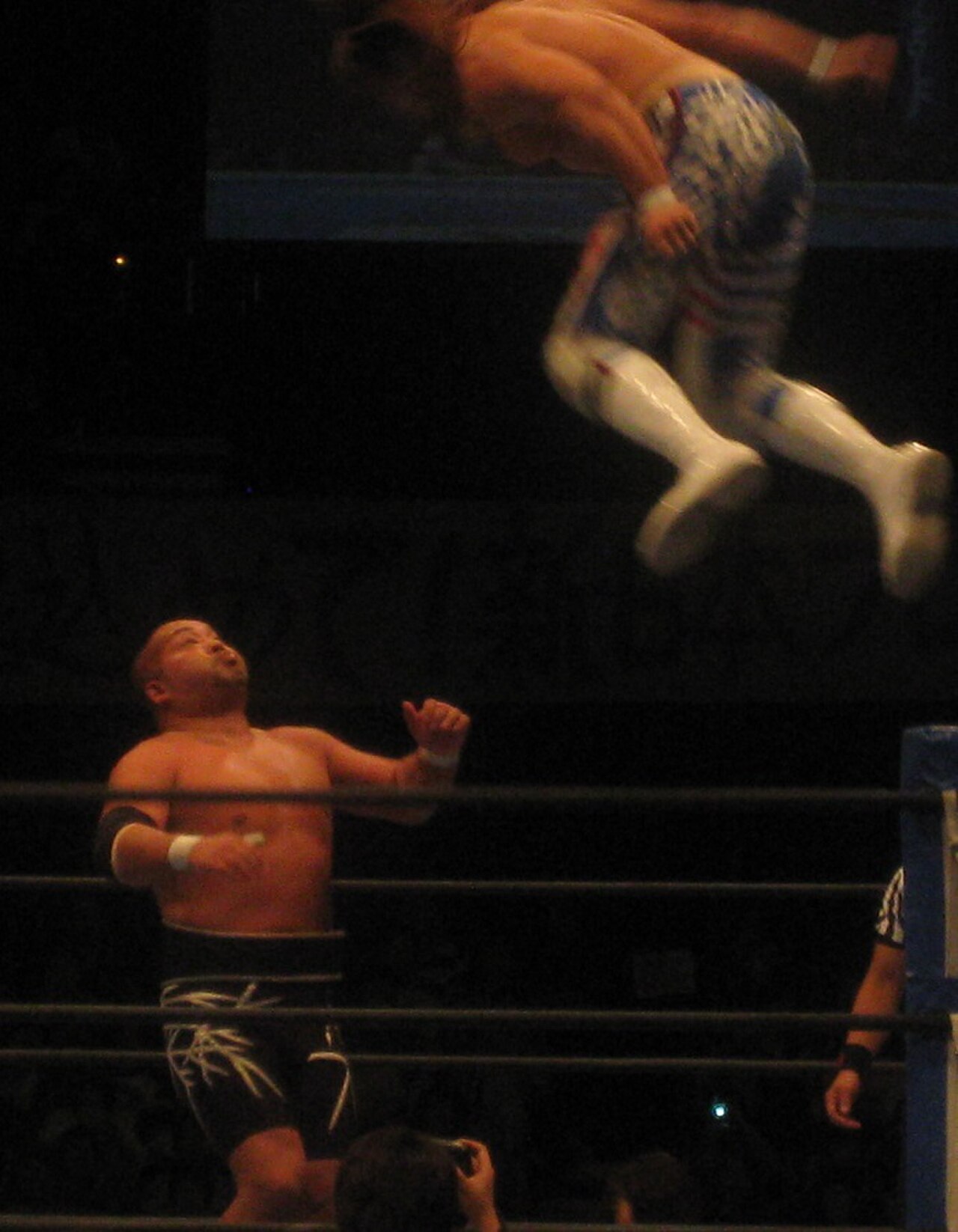
On June 16, 2012, Hiroshi Tanahashi did more than win back the IWGP Heavyweight Championship. He restored the center of gravity in New Japan Pro-Wrestling without killing the future the company had just gambled on.
Tanahashi beat Kazuchika Okada in the main event of Dominion in Osaka, ending Okada's first reign after only four months and beginning his own sixth run with the title. In simple results terms, that is the story. In historical terms, it was much bigger than that. New Japan had spent the first half of 2012 trying to create a new ace in a hurry. On this night, it found a way to protect the old one, validate the new one, and turn their rivalry into the axis the promotion would spin around for years.
That balancing act was not easy. When Okada beat Tanahashi in February in the same building, the result felt shocking even by New Japan standards. Okada was only 24. He was talented, obviously, but he was still coming off an underwhelming American excursion and had not yet built the kind of track record that usually earns a wrestler the top belt in Japan's biggest promotion. Tanahashi, meanwhile, had spent years carrying New Japan through a lean period and had grown into the clearest symbol of its recovery. He was not just champion. He was the standard the company measured itself against.
That is why Dominion mattered so much. If Okada lost too quickly, the February upset risked looking like a stunt. If Tanahashi lost again, New Japan would be asking its audience to move on from its most trusted star before the audience was ready. The rematch had to answer both problems at once.
What made the match work is that it never felt like a panic correction. It felt like a fight between the company's present and its future, with both men wrestling like they knew exactly what was at stake. Tanahashi came in with urgency, not arrogance. He had already been caught once by a younger rival with momentum and nerve. This time he wrestled like a man who understood that losing twice would mean more than dropping a title. It would mean surrendering the position he had spent years building.
Okada, for his part, did not look like a placeholder champion trying to survive. He looked like someone who belonged. That was one of the most important outcomes of the entire feud. Even in defeat, he carried himself like a real main eventer. He was no longer the surprise winner from February. He was a serious champion defending the biggest prize in the promotion against the one man every New Japan fan still had to judge him against.
Contemporary Observer coverage captured the scale of the moment well. Tanahashi tied Tatsumi Fujinami's record by winning the IWGP title for a sixth time, and he did it in front of a sellout, turnaway crowd of 6,850 at Osaka's Furitsu Gym. The finish was built around memory and revenge. Tanahashi blocked Okada's Rainmaker, survived the danger point of the match, then answered Okada's post-match attack from six days earlier by drilling him with a tombstone piledriver before following with the sling blade and the High Fly Flow to end it at 28:06.
That finish told the whole story of the rematch. Tanahashi did not beat Okada by luck, and he did not simply outlast him. He beat him by learning from the first loss, taking away the weapon that had changed everything in February, and forcing the younger champion to experience what it felt like when the ace stopped giving ground.
The larger significance came afterward. Tanahashi's win gave New Japan stability at the exact moment it still needed him most. He remained the ace, the proven draw, the wrestler who made the IWGP title feel important before the bell even rang. But the company also got what it needed from Okada's first reign. The gamble was no longer theoretical. He had already shown he could hang in the position, and he had done enough in defeat to make a longer future at the top feel inevitable.
That may be the quiet genius of June 16, 2012. The result looked conservative on paper, but it was actually the opposite. New Japan did not abandon the Okada experiment. It sharpened it. By putting the belt back on Tanahashi when the audience still needed that reassurance, the promotion gave itself time to let Okada grow into the role instead of forcing fans to accept him before the emotional groundwork was there.
In hindsight, that patience helped make the rivalry mean more. Tanahashi and Okada were not just trading championships. They were defining an era. Tanahashi represented the man who dragged New Japan back to health. Okada represented the star who would carry it into a new level of ambition. Dominion 2012 is the night those two truths stopped competing with each other and started fitting together.
That is why this title change still stands out. Plenty of championship wins are memorable in the moment and fade once the next booking cycle starts. This one changed how the promotion could tell its biggest story. Tanahashi left Osaka with the belt, the record-tying sixth reign, and the reaffirmation that he was still the man. Okada left without the championship, but with something nearly as valuable. He left as somebody the audience now believed would be back.
On this day in 2012, Hiroshi Tanahashi won the IWGP Heavyweight Championship again. More importantly, he helped give New Japan the bridge it needed between the ace who saved the company and the prodigy who would soon define it.