
On June 2, 2014, WWE found the fastest possible way to turn triumph into heartbreak.
The night before, The Shield had just swept Evolution at Payback in Chicago, beating Triple H, Randy Orton and Batista in straight falls and looking every bit like the most complete act in the company. Roman Reigns had star presence, Dean Ambrose had manic unpredictability, and Seth Rollins gave the group its athletic spark. Together they felt young, dangerous and unusually unified for a promotion that had spent years leaning on breakups and betrayals as default drama.
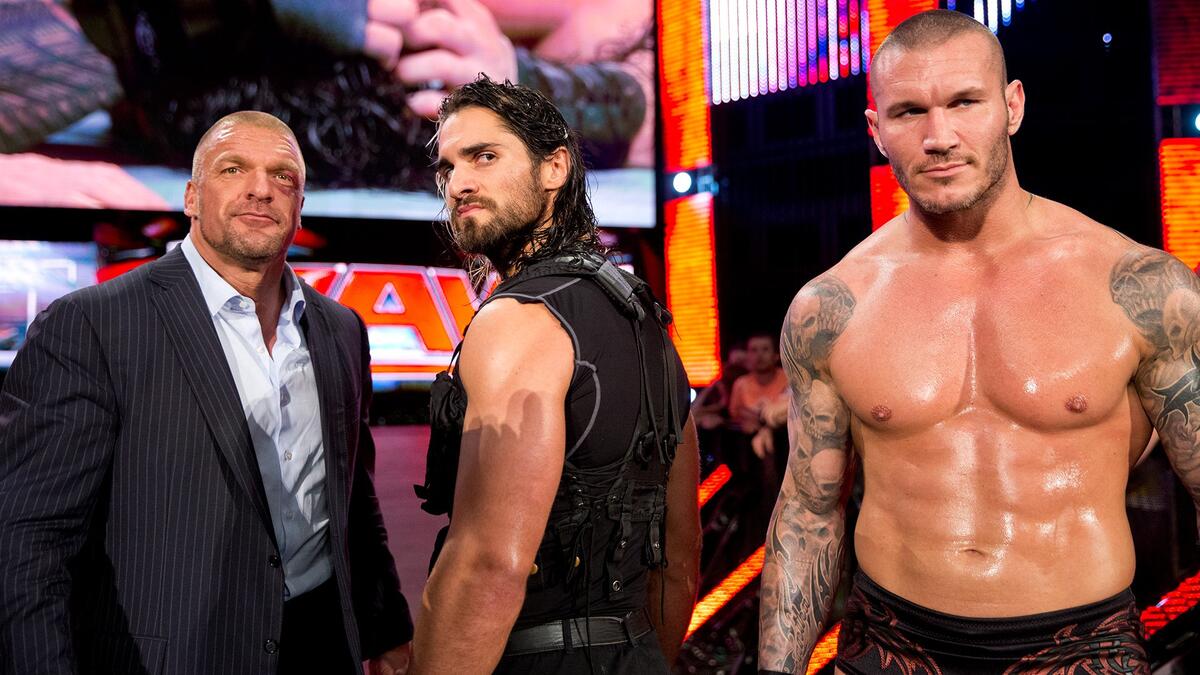
Then Raw went to Indianapolis, Triple H promised he had a Plan B, and Rollins drove a chair into Reigns' back.
A second shot dropped Ambrose. By the time the segment ended, The Shield was gone, Rollins was standing with The Authority, and one of WWE's strongest factions of the era had been blown apart in a matter of seconds.
What made the angle so powerful was not just the shock. It was the timing. WWE had allowed The Shield to become more than a cool trio of black-clad enforcers. By the spring of 2014 they were one of the few acts on the roster who felt completely in sync with the audience. Their babyface turn had worked better than expected. Their feud with Evolution had given them a clear enemy. And their Payback win felt like confirmation that the group had finally reached the top of the card together.
That is why the betrayal landed so hard. It did not feel like the end of something stale. It felt like the destruction of something that still had real life in it.
Contemporary Observer coverage framed it as one of the biggest surprise angles in a long time, and that description still fits. Wrestling fans are trained to expect split teases. The difference here was that WWE made the group feel stronger right before it broke it. The Shield did not lose and turn on each other out of frustration. They won decisively, then got ripped apart anyway. That gave the moment a nastier emotional edge. Rollins was not acting out of desperation. He was choosing ambition over brotherhood.
He was also the right man to do it.
At first glance, Ambrose seemed like the obvious traitor because he already carried a wild-eyed volatility. Reigns, meanwhile, was the one WWE clearly saw as a future centerpiece. Rollins sat in the middle, admired for his work rate, trusted in big matches, but not always discussed first when fans talked about the group's long-term ceilings. Making him the one who sold out gave the turn an extra jolt. It took the member who looked most comfortable as the glue and turned him into the knife.
That choice mattered for more than one night. A great wrestling betrayal has to do more than create a gasp. It has to reorganize the cast. Rollins joining Triple H and Orton instantly gave him a new identity, not as the third man in a unit, but as the cold opportunist willing to burn the best thing in his career to climb faster. Reigns and Ambrose, in turn, became more sympathetic because the attack was so merciless. Reigns especially came out of the segment looking less like the protected powerhouse and more like a betrayed partner getting brutalized in front of the audience.
The visual is what people still remember. Rollins with the chair. Ambrose staring in disbelief for half a beat before the second shot came. Reigns taking punishment after the first blow had already made the point. WWE did not rush past the violence. It let the scene breathe long enough for the crowd to process that this was not a tease and not a misunderstanding. The group was finished.
That moment also revealed something important about WWE in 2014. The company was still searching for a stable main-event direction around a wounded Daniel Bryan title reign, a departing Batista and a top card that could feel repetitive from week to week. Breaking up The Shield was a gamble, but it was a gamble designed to create movement. Instead of preserving its hottest trio for the sake of safety, WWE used it to launch a new set of singles stories at once.
In the short term, that meant Rollins against his former brothers. In the larger picture, it meant the breakup became a hinge point for the decade that followed. Rollins, Reigns and Ambrose were no longer sharing one spotlight. They were now being pushed to prove what each of them looked like without the others standing beside them.
That is why June 2, 2014 still holds its place in WWE history. Plenty of angles get loud reactions in the moment and fade once the next pay-per-view cycle starts. This one kept echoing because it did real damage to an act fans cared about, and because the fallout shaped the company for years. The betrayal did not just end a faction. It created a new main-event villain in Rollins, accelerated Reigns' path toward the center of the promotion, and gave Ambrose the kind of personal grudge he could wear naturally.
There are cleaner matches, bigger title changes and more celebrated pay-per-view endings in WWE's modern era. But few television angles hit with this kind of clarity. One chair shot told the whole story. A brotherhood that looked untouchable on Sunday was dead by Monday night.
And in that instant, WWE's future looked completely different.