
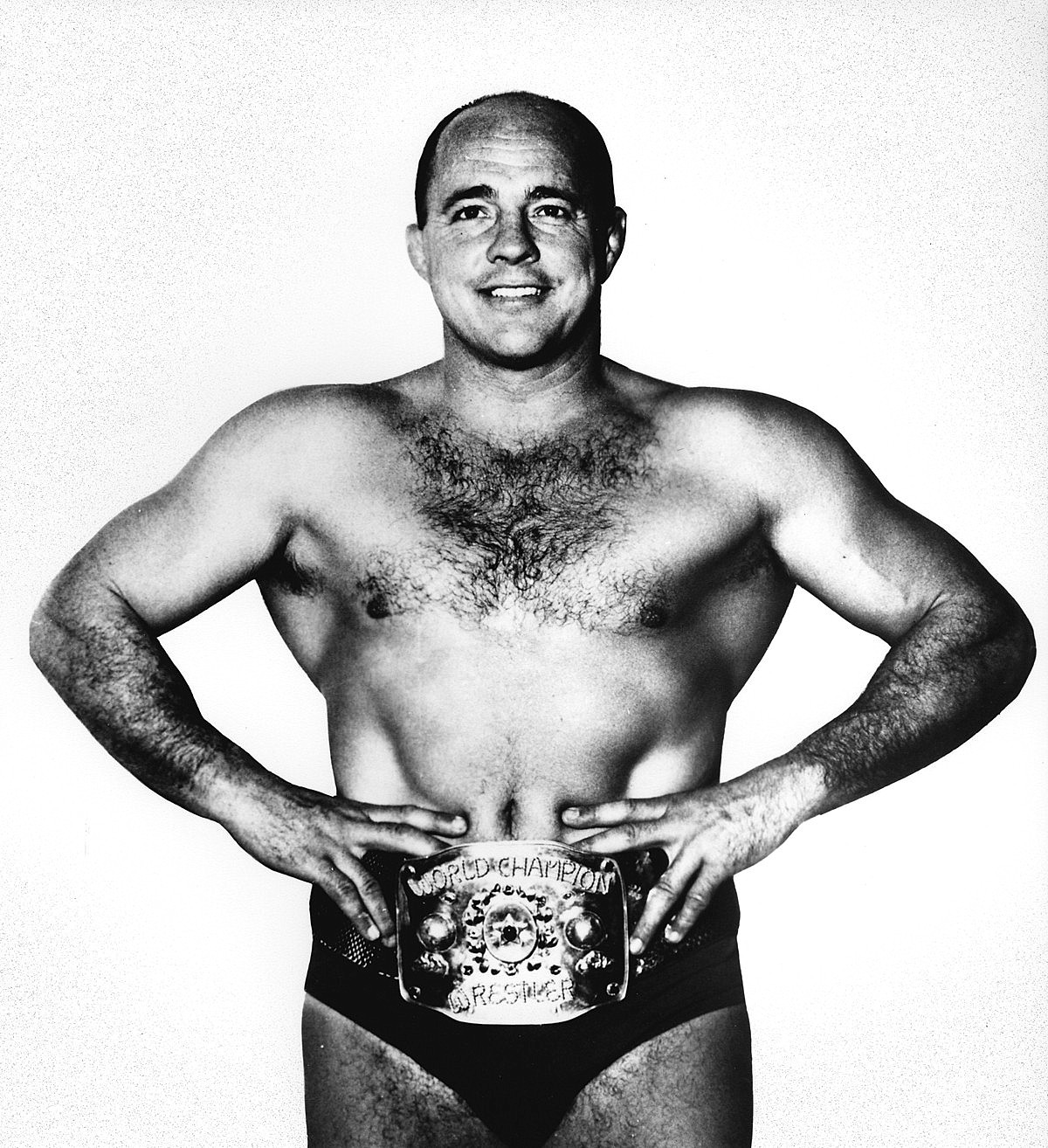
On April 27, 2015, Verne Gagne died at 89, and wrestling lost one of the few figures who could honestly claim to have shaped the business from almost every angle that mattered.
Gagne was not only a major champion from the territorial era. He was an elite amateur wrestler, a football player good enough to get NFL looks, a clean-cut television babyface in wrestling's early national TV years, a promoter who turned the American Wrestling Association into the Midwest's signature territory, and a trainer whose influence reached into later generations through names like Ric Flair, Bob Backlund and Ricky Steamboat. When the Observer covered his death, it described him as one of the most influential figures in wrestling history. That was not obituary generosity. It was a fair summary of the scale he worked on.
His death also carried a particular sadness because it closed a chapter that had already been fading for years. Gagne had been living with dementia for more than a decade, and by the time he died he had become less a public figure than a memory carried by old AWA tapes, Hall of Fame speeches and the stories of wrestlers who had either learned from him, fought with him or built careers inside the world he created.
That world was built on credibility. Before Gagne became the face of the AWA, he had already established himself as a legitimate athlete in a way very few wrestlers ever could. He won NCAA championships at the University of Minnesota, nearly made the 1948 Olympic team, and even had a path to pro football before wrestling proved to be the better life. That background mattered. In Minneapolis, where Gagne became both a star and a civic figure, wrestling carried a little more athletic respectability than it did in many other cities, and he was a major reason why. Fans did not see him as a cartoon strongman. They saw him as the real thing.
That image helped make him one of the defining babyfaces of the 1950s. On television out of Chicago during the Dumont era, Gagne looked like the ideal version of a postwar sports hero: handsome, disciplined, technically sharp and unshakably upright. He was not built around gimmick excess. He was built around the idea that he could outlast and outwrestle you. That style translated perfectly to the territory system once television made familiar local stars more valuable than ever.
Then came the role that turned him from star into institution. In 1960, Gagne helped establish the AWA, and for the next three decades the promotion became one of wrestling's most important homes. It was the kind of territory that could feel regional and major league at the same time. The AWA had a strong identity, loyal markets and a line of stars that gave it a place in almost every serious conversation about wrestling's pre-national era. If you grew up in the Midwest or in parts of Canada during its peak years, the AWA was not some side promotion. It was your big-time wrestling.
Gagne's fingerprints were on all of it. As champion, he spent years presented as the standard bearer, and the scale of that run still jumps off the page. His long reigns made him one of the sport's great titleholders, and the AWA was built around the idea that Gagne was the mountain everyone else had to climb. That approach gave the territory stability, but it also revealed the flaw that always complicates his legacy. He believed deeply in Verne Gagne as the center of the universe, and not every wrestler who worked for him thought that was healthy. Even admirers admitted he could be stubborn. Critics went further, arguing that he stayed on top too long, paid too tightly and missed moments when the territory could have been refreshed by trusting someone else with the crown.
That tension is part of what makes Gagne interesting all these years later. He was neither a saint nor a villain in wrestling history. He was a builder with enormous strengths and equally obvious blind spots. The same conviction that helped him create a durable promotion also kept him from adapting fast enough when the business changed around him.
Still, the AWA mattered because Gagne knew talent, and because the system he built gave major names room to grow. Nick Bockwinkel became one of the great champions of the era there. Bobby Heenan sharpened his act there. Jesse Ventura, Curt Hennig, Scott Hall, the Road Warriors, Shawn Michaels and Marty Jannetty all passed through AWA television. Hulk Hogan's rise cannot be separated from it either. Gagne did not create Hulkamania, but his inability or unwillingness to fully commit to Hogan as the next centerpiece helped push Hogan toward WWE, where the whole industry changed almost overnight.
That is one of the strange truths of Gagne's legacy. Even when he lost, he still changed wrestling. His training methods helped shape future stars. His territory supplied talent to the boom period. His decisions, including the ones that now read as miscalculations, affected how the 1980s power shift unfolded. You can tell a big chunk of modern wrestling history by following the roads that passed through Minneapolis.
By the time Gagne's career finally wound down, there was something almost tragic about it. He had once represented athletic nobility in wrestling. Later, as the AWA faded and the national expansion wars changed the sport, he looked more like a proud old empire that could not stop the calendar. That does not erase the accomplishment. If anything, it makes it easier to understand. Wrestling history is full of men who could draw money, cut promos or work great matches. It is much shorter on people who could build an entire ecosystem and keep it relevant for decades.
That is why April 27, 2015 still matters. Verne Gagne's death did not just mark the passing of a Hall of Famer. It marked the loss of a man who embodied the serious, athletic, territory-rooted version of professional wrestling that once defined huge parts of North America. He stood at the intersection of amateur legitimacy, TV stardom, promotional power and old-school stubbornness. Few people in wrestling history have ever occupied that much ground.
And on a date that also produced other notable moments, from Keiji Muto defeating Shinsuke Nakamura for the IWGP heavyweight title in 2008 to WWE beginning its Saudi era with the Greatest Royal Rumble in 2018, Gagne's final bell still feels heavier than most. It was not just the end of a life. It was the fading of a whole philosophy of wrestling, one built on holds, credibility, local roots and the belief that being taken seriously was the business's greatest currency.