
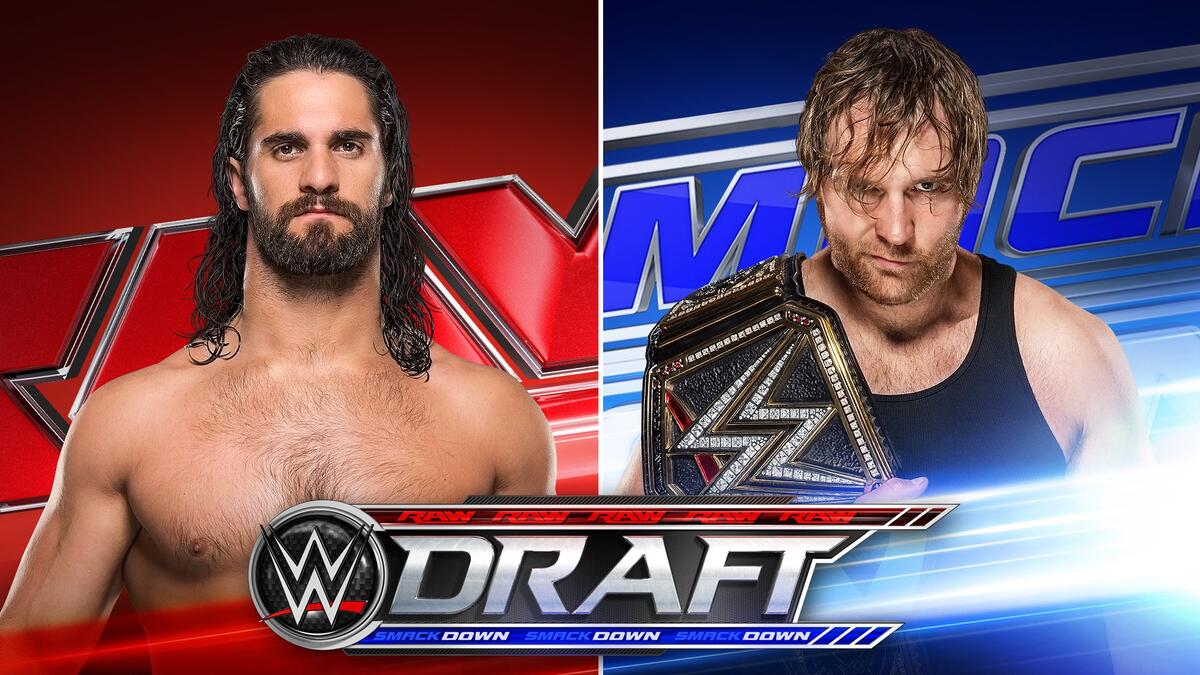
On July 19, 2016, WWE did more than hold a draft. It used the first live Tuesday episode of SmackDown to redraw the company in public, with Shane McMahon and Daniel Bryan building one side, Stephanie McMahon and Mick Foley building the other, and the whole thing presented as the start of a new era instead of just another corporate reset. The company had split its rosters before, but this version landed differently because it happened at a moment when WWE badly needed fresh energy.
That is why the date still matters. The night gave SmackDown a real identity, gave Raw a new hierarchy, and opened paths for wrestlers who had felt boxed in on a crowded main roster. It was not a flawless draft, and in some ways it was a very WWE version of reinvention, messy, overproduced and occasionally illogical. But it worked where it needed to work. By the end of the night, the company felt larger again.
The first round alone told the story. Raw took Seth Rollins first, then Charlotte, then Finn Balor from NXT. SmackDown answered with WWE champion Dean Ambrose and AJ Styles. John Cena and Randy Orton ended up on the blue brand later, while Brock Lesnar, Roman Reigns and The New Day gave Raw its own upper tier. Becky Lynch landed on SmackDown. Sami Zayn stayed on Raw. American Alpha went to SmackDown. In one night, WWE created two sets of priorities and two different futures.
Observer coverage at the time noted that plans had shifted heading into the show. Brock Lesnar had originally been slated for an even more prominent draft position, and the shape of SummerSlam had changed because of Roman Reigns' suspension, Cena's reduced schedule and Lesnar's looming UFC drug-test fallout. Even with those moving parts, the draft still accomplished the most important thing it needed to accomplish. It made WWE feel less stale.
The most revealing pick was Balor at No. 5. He was the surprise of the night, and the surprise mattered because it signaled that WWE understood this reset could not be built only around the same names rearranged on different color graphics. Balor was not just another call-up. He represented NXT becoming central to the main roster story. Within weeks he would be wrestling for, and winning, the first Universal Championship. That leap started here.
SmackDown's side of the board may have mattered even more in the long run. Styles had already shown he belonged in WWE, but the draft placed him in a spot where he could become essential rather than just impressive. Bryan and Shane's brand suddenly had Ambrose as champion, Styles as the top challenger, Cena as the familiar star presence and a mix of Becky Lynch, Bray Wyatt, Randy Orton and American Alpha to fill out the picture. It was a stronger creative foundation than SmackDown had enjoyed in years.
The format of the draft was not beyond criticism. Raw got the first pick in every round, which made the supposed competition feel rigged from the start. Some decisions felt arbitrary, including the strange way stables and partnerships were handled. Gallows and Anderson were split from Styles. The Wyatt Family was not treated as a unit. Several top NXT names were left untouched, making the system seem selective in a way WWE never really explained. If you watched closely, you could already see the usual contradictions creeping back in.
But that is part of what makes July 19, 2016 such an important WWE date. The show did not matter because the mechanism was elegant. It mattered because the company finally created room. For years, SmackDown had often felt like a replay brand, a place where angles were extended rather than launched. The live debut changed that perception immediately. The draft episode drew 3.17 million viewers, the show's best audience on USA Network to that point and its strongest number since early 2014. Fans understood that this episode was supposed to count, and for once WWE met them halfway.
The in-ring side helped too. Ambrose beat Rollins in the main event to give SmackDown a closing image that fit the night perfectly: its commissioner, its general manager and its world champion all celebrating together after the blue brand's first major victory. It was symbolism, obviously, but useful symbolism. SmackDown was no longer just existing alongside Raw. It was presented as a place where major things could happen first.
That shift carried into the months that followed. Balor's rocket push, Styles becoming one of the defining stars of the brand split era, and SmackDown developing a reputation as the tighter weekly show all trace back to this reset. Becky Lynch, drafted that night, would soon become one of the faces of the women's division on Tuesdays. Even the flaws of the split became part of the story, because WWE had at least created separate worlds worth debating.
There have been bigger single matches and more dramatic single angles in WWE history than the 2016 draft. But July 19 stands out because it changed the texture of the promotion's week-to-week life. It gave wrestlers oxygen. It gave SmackDown urgency. And it reminded viewers that a roster sheet, handled the right way, can be a creative event all by itself.
On this day in 2016, WWE did not solve every problem it had. It did something more useful. It made the audience believe the company could still surprise them, and for a while, that belief was enough to make Tuesdays matter again.