
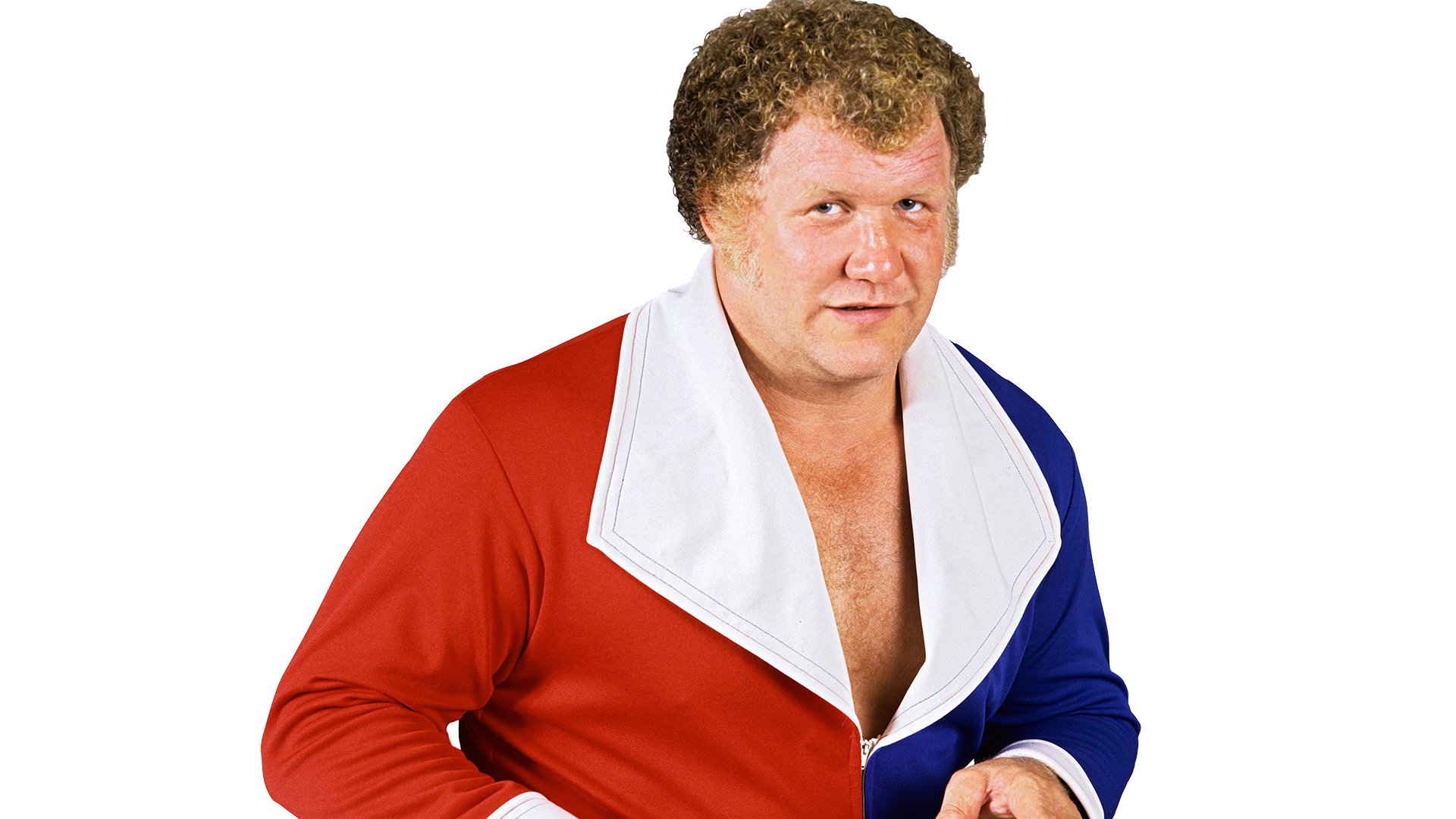
On August 1, 2019, Harley Race died at 76 after battling lung cancer. Wrestling loses famous names every year, but some deaths hit differently because they feel like the end of an entire way of doing the business. Race's death was one of those. He was not simply a Hall of Famer from another era. He was the clearest surviving symbol of what the traveling world champion used to be, a hard man in hard towns carrying the top title from territory to territory and making it feel like the most serious thing in the sport.
That is why the date still matters. Race represented a version of wrestling that was built less on national branding and glossy presentation than on credibility, grit, and the idea that the champion had to convince every building, every night, that he was the toughest man in it.
The Observer's obituary coverage described Race as the embodiment of territorial wrestling, and that is difficult to argue with. He held the NWA World Heavyweight Championship eight times between 1973 and 1984, during a period when that belt still carried the weight of a roaming crown. A champion in that role was not there to dominate every opponent in five minutes and leave looking untouched. He was there to make local heroes look dangerous, survive, and keep the championship feeling valuable in every market he entered. Race understood that rhythm as well as anyone who ever did it.
He did not look like the corporate ideal that wrestling would later chase. Race looked older than he was, he carried himself like a bar fighter, and he never needed a bodybuilder silhouette to sell the act. What made him so compelling was that fans believed him. His punches looked mean, his kneedrops looked spiteful, and his promos sounded less like a polished performance than a man telling you exactly what he thought. Even when viewers knew they were watching a worked business, Race had a way of making the title around his waist feel less like a prop and more like something he had taken from other dangerous men.
That credibility shaped generations after him. Ric Flair borrowed heavily from the Race blueprint, not just in match structure but in the entire idea of what it meant to be NWA champion. The bleeding, the constant peril, the arrogant insistence that this was the real world title, all of it carried Race's fingerprints. Later stars did the same in different ways. Triple H was another performer whose work often showed obvious traces of Race's deliberate pacing, heavy offense, and old-school championship aura. Race was not a relic who got left behind by history. He was one of the reasons later history looked the way it did.
His importance also runs through one of wrestling's most important turning points. When Race beat Flair in St. Louis in June 1983 to win another NWA title, the switch helped set up the rematch path that led to Starrcade that November. The Flair-Race cage match was more than a major grudge payoff. It became one of the building blocks for the supercard era, a reminder that territorial wrestling was not merely fading into nostalgia. It could still produce a huge event built on blood, hatred, and the sense that a championship really meant something.
That does not happen without Race being believable in the role. He was never just a placeholder champion selected by committee. He was the standard the audience had to overcome. In the best territorial title programs, the local star mattered because Race made him matter. Dusty Rhodes felt bigger for chasing him. Flair felt like the future for finally taking the spot from him. Race's greatness was tied to that generosity as much as to his toughness. He knew how to hold the center of the story without swallowing it whole.
His life carried that same hard edge outside the ring. As a young wrestler he survived the car wreck that killed his wife and child and nearly cost him his leg. He came back anyway. He rebuilt himself, broke in properly, and became a star first in tag wrestling and then as one of the defining singles champions of the 1970s. Stories about Race the man became part of the mythology because they fit what people saw on screen. Whether he was in Kansas City, St. Louis, Florida, Japan, or the Carolinas, he carried a reputation that said this was not somebody to trifle with.
Even his later WWF run as King Harley Race never fully erased that older image. The crown and robe made him legible to a new national audience, and the gimmick has its place in his story, but it was never the deepest version of Harley Race. The core legacy remained the same. He was the old champion who treated the role with near religious seriousness. He was the man who believed a world title should be defended like a matter of pride and personal honor, not just television plotting.
That seriousness stayed with him long after his prime. Wrestlers from later generations respected him enough to send their children and prospects to learn from him in Missouri. By then the business had changed beyond recognition, but Race still stood for something wrestlers valued. He stood for fundamentals, physical credibility, and the code of a champion who understood that every match had to leave the audience feeling something real.
More than anything, August 1 stands out because Race's death marked the loss of one of the last giants whose legacy reaches all the way back to wrestling's territorial backbone. Plenty of stars have drawn more national television viewers. Plenty have made more money in a more modern system. Very few have ever represented the profession as completely as Harley Race did at his peak. He was the traveling world champion in its purest form, stubborn, believable, unsentimental, and impossible to fake. When he died, wrestling did not just lose a legend. It lost one of the men who taught the business how a champion was supposed to feel.