
Summary
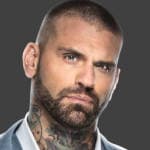
Corey Graves believes the backlash to Pat McAfee and Jelly Roll being folded into the Cody Rhodes vs. Randy Orton program was more about timing than the personalities involved.
Speaking with Bill Apter, Graves said fans had waited too long to see Rhodes and Orton collide for the Undisputed WWE Championship to fully accept extra celebrity involvement being added late in the build. McAfee appeared on screen as Orton's manager, while Jelly Roll was positioned opposite him during the WrestleMania 42 story.
Graves' comments come after other discussion around the program, including reporting that Ted DiBiase Jr. was not part of the original Randy Orton and Cody Rhodes WrestleMania plan.
Quote from Corey Graves
"I truly believe it was the timing of it. I think if there had been a little bit more time to work with and again, I don't know, there are decisions made far above my pay grade. I don't know the ins and outs and truthfully, I don't care to these days. But I think if there had been a little bit more time and maybe it had been in a different match. I mean, obviously, WrestleMania and celebrities have been synonymous since the beginning, and I think Pat (McAfee) and Jelly Roll caught a few strays. I think it was just a matter of people have been waiting for Cody (Rhodes) and Randy (Orton) for so long and they wanted to see that story told and unfold organically, and you get these other players that don't necessarily fit. You get a couple square pegs in round holes. I think that was the biggest problem. I don't think it was that anybody didn't wanna see Pat or that anybody was upset that Jelly was involved. I think it was in that particular circumstance. But again, it was what it was, and I think they did a fantastic job with what the circumstance was. I think Randy and Cody, two of the best in the business of all time and they delivered a WrestleMania-worthy main event. I thought it was fantastic. Again, I understand the skepticism, I understand the confusion. I truly believe that had this begun back at Royal Rumble or at Elimination Chamber, or there had been a little bit more runway, it wouldn't have felt so inorganic and I think that's what sort of caused the backlash. I think you could have put anybody in that position and it would have had the same result. It wasn't a Pat thing, it wasn't a Jelly Roll thing. I think you could have put Jason Mamoa in there and someone would be like, what's he doing here? He doesn't belong here. On the other hand, you've got Lil Yachty, who comes from the world of Hip Hop, and he has fit like a glove in the Trick Williams presentation. He, to me, Lil Yachty, and I only know who he is because my kids are fans, he makes Trick Williams a bigger star, and nobody has a problem with that. He fits in that role..."
What Corey Graves' point means for WWE
Graves framed the issue as a creative fit problem, not a rejection of celebrity crossover itself. That matters for WWE because Rhodes vs. Orton was positioned as a major WrestleMania title program, and fans expected the rivalry to stay centered on the two headliners.
His comparison to Lil Yachty's role with Trick Williams also underlines the difference between a celebrity appearance that feels built into an act and one that feels added on late. If WWE keeps leaning on outside names for major programs, Graves' comments suggest the audience will be more receptive when that involvement has a longer runway and a clearer place in the story.
Sources
Corey Graves while speaking with Bill Apter
Comments
Comments are moderated before appearing publicly.
No approved comments yet.