
Summary
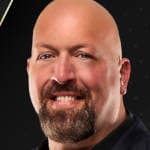
Paul Wight says he never believed his best use in wrestling was as a long-term world champion, even though he held top titles in WCW, WWE, and ECW during his career.
Speaking on *Insight*, Wight explained that he always viewed a giant's role differently. In his mind, the giant was supposed to be the mountain an eventual champion had to climb, not necessarily the centerpiece who stayed on top. He said that outlook helped shape the way he approached matches and the way he tried to help elevate other talent.
Wight pointed to names such as Roman Reigns, Cody Rhodes, Kofi Kingston, Xavier Woods, and Cesaro when reflecting on the wrestlers he enjoyed working with. In another story from the same interview, Wight also looked back on the Rey Mysterio stretcher spot from Backlash that still sticks with him.
Quote from Paul Wight
Wight said Arn Anderson once told him that learning how to work may have hurt his aura as a giant, but he eventually embraced the role he believed fit him best:
"Arn Anderson told me, ‘The dumbest thing you ever did is learn how to work.’ So any minute, I was able to be a good opponent for what we were doing. I knew that me, personally, I don’t think I should ever have been champion. You don’t need a giant to be a champion. You need a giant to be an obstacle for the upcoming champion. You need somebody, something, a wall, a mountain, something that has to be overcome so that the next talent can be on its way. There’s a damn good living to be made in that position. I think the last time I got the title was just because I had been five or six years in title matches all the time, hadn’t won the damn thing. ‘Well, he’s been in here while, we might want to put it on him, so get some validity out of it.’ But I was okay with that. I enjoyed that, because I look back at my career now, I got to help create some big, big stars. I was working early with Roman and working early with Cody. There are a lot of talents that I had a great [time with], Kofi and Woods and Cesaro. Big moment, Cesaro at WrestleMania, those are all good moments for me. I always understood that I’m not, and this is no way am I putting myself down. I’m not a leading man, I’m not Rock, I’m not Stone Cold. I’m not John Cena. I’m not the leading guy, I’m the funny sidekick, or I’m Thanos, the villain. That’s where I fall in, and that’s okay."
Wight later explained that making his opponent look strong was central to how he saw the business:
"That’s the whole name of the game. My philosophy is different. What I took to the business and brought to it, not that it’s any super algorithmic formula that’s going to guarantee success. I looked at what I brought to the table, and what are my responsibilities? Get the match over, get my opponent over, and the third thing is going to happen, I will get myself over. I didn’t know how to do those things early in the beginning, because it was, oh, do I just go out, get myself over? Do I do this? Just figuring out how to respond on things, just a couple of little tweaks, and then also trusting the other talent, and talking to them, explaining to them what we’re doing, and once you explain to guys now, if we do this right, and we build this here, this will get a bigger reaction, and then guys get crazy, like your buddy, Rey."
How Paul Wight framed his role in wrestling
Wight's comments underline why he lasted across eras in WCW and WWE, and why veteran wrestlers in that spot can still matter even without being the face of a company. He was describing a philosophy built around being the obstacle, then helping the next star get through him.
That stands out because Wight directly tied that approach to specific names, including Roman Reigns, Cody Rhodes, and Cesaro. Rather than talking about missed chances at the top, he framed his legacy around helping create big moments for others, which is a very different way of measuring success than title reigns alone.
Sources
As reported by Fightful.
Comments
Comments are moderated before appearing publicly.
No approved comments yet.