
Summary
April 4, 1993 was supposed to be the day WWF crowned a new monster and pushed deeper into the post-Hulk Hogan era. Instead, WrestleMania IX became one of the strangest turning points in company history.
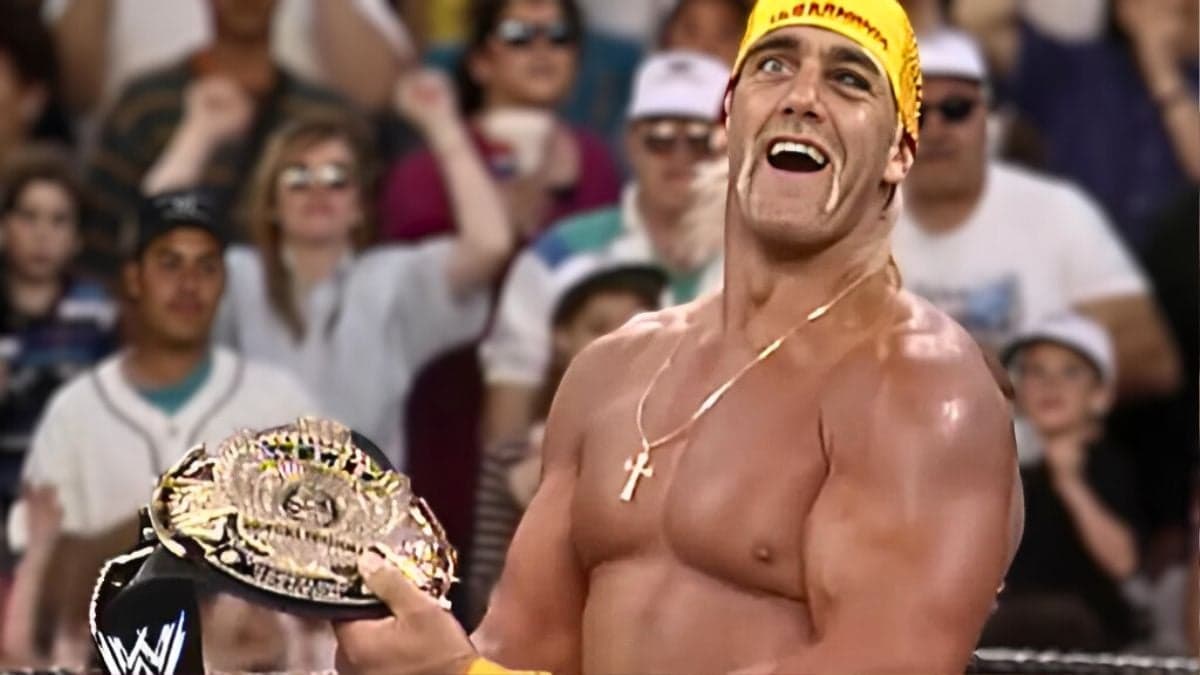
The show at Caesars Palace is remembered for the togas, the outdoor spectacle and the awkward Roman theme, but that is not why it lasted. It lasted because the final minutes told two different stories at once. Yokozuna beat Bret Hart for the WWF Championship, which should have been the defining image of the day. Seconds later, Hulk Hogan walked into an impromptu title match, dropped the leg on Yokozuna and left with the belt. One WrestleMania finish became two title changes and a debate that never really cooled off.
The contemporary Observer coverage captured how badly the finish landed with a lot of fans. The publication's reader poll came back overwhelmingly negative, and the review framed the ending as both a creative swerve and a blunt business decision. Bret Hart had delivered in the role, but the company still looked at Hogan as the proven attraction when it needed maximum mainstream pull.
That is what makes April 4, 1993 such a useful historical checkpoint. WrestleMania IX was not just a bad ending or a controversial one. It was WWF admitting, in the middle of its biggest show, that the future it had been trying to build did not yet feel safe enough to trust on its own.
How the night unraveled at Caesars Palace
WrestleMania IX was staged as the "World's Largest Toga Party," an outdoor production that looked enormous and expensive even when the wrestling itself struggled to catch up. Bret Hart entered the show as champion after spending the previous months carrying the promotion in the ring. Yokozuna entered as the massive Royal Rumble winner, positioned as the unstoppable threat who could physically overwhelm almost anyone on the roster.
On paper, that main event made sense. Bret was the workhorse champion. Yokozuna was the new force. The title match could have ended the night by establishing a fresh top heel and giving the company a clear direction for the rest of 1993.
Instead, the finish opened the door for something far messier. Yokozuna beat Hart in the scheduled main event, only for the celebration to collapse almost immediately into the sudden Hogan challenge. The title changed hands again in about twenty seconds. In pure storyline terms, it was chaotic. In business terms, it was revealing.
The Observer's review leaned into that contradiction. Hart, it argued, had performed as well as he reasonably could under the circumstances, both in match quality and in growing into the champion role. But the company still chose to move away from the six-month direction it had been building and return to the biggest proven name it had. That is the heart of the story. The WrestleMania IX finish was less about surprise than insecurity.
Why Bret Hart and Hulk Hogan represented different 1993 answers
By early 1993, WWF was trying to answer a hard question. Could it thrive on a smaller, more wrestling-centered version of its main event scene, or did it still need the old larger-than-life engine to feel major?
Bret Hart was the clearest argument for the first path. He gave the company a champion whose credibility came from bell-to-bell consistency. He felt modern in a way the promotion needed. He also reflected a roster that was changing, with stronger workers moving closer to the center of the card.
Hulk Hogan was the opposite kind of answer. He was not a prospect or a long-term experiment. He was the most famous act the company had ever produced, and by 1993 that still mattered enough to override almost everything else. The Observer's framing was blunt on this point: Hart may have earned his place by performance, but wrestling is still an entertainment business, and Hogan remained the safer box office bet.
That is why the ending still stings for so many fans who revisit it. Bret Hart did not lose because the company had found a stronger creative idea around him. He lost because WrestleMania night exposed how quickly management would retreat to an older formula when the stakes felt highest.
The Yokozuna problem that should have been the story
There is another reason WrestleMania IX lives on. The show should have been a landmark for Yokozuna.
He had the size, aura and presentation to feel like a genuine event monster, and beating Bret Hart on WrestleMania would have given him a clean, defining launch as the promotion's central villain. Even if fans were unhappy to see Hart lose, Yokozuna leaving Caesars Palace as the undisputed champion would have set a clear target for the rest of the roster.
Instead, Yokozuna's first championship celebration was cut off almost instantly. Rather than making him the terrifying centerpiece of the next chapter, the booking turned him into the bridge between Hart's reign and Hogan's brief return to the top. That decision undercut the very heel creation the promotion had spent months building.
This is part of why the finish has aged so poorly. It did not just damage Bret Hart's momentum. It also stole the oxygen from Yokozuna's biggest night. A WrestleMania that could have established a new power structure wound up telling viewers that the old one was still the only one the company fully trusted.
Why April 4, 1993 still matters
WrestleMania IX is often remembered as one of the weaker WrestleManias, and that reputation is fair enough. But the historical value of the show goes beyond match rankings or costume jokes.
April 4, 1993 matters because it showed WWF caught between eras. Bret Hart symbolised where the in-ring product needed to go. Yokozuna represented a new monster champion the company could build around. Hogan represented the old certainty executives still reached for when they wanted one more guarantee. The closing minutes picked certainty over coherence.
That choice had consequences. It confirmed how fragile the first Bret Hart title run really was, and it turned what should have been Yokozuna's coronation into an afterthought behind Hogan's moment. Even decades later, that ending remains a shorthand example of a promotion losing faith in its own transition while the transition is still happening in front of the audience.
That is why April 4 belongs on the wrestling calendar. Not because WrestleMania IX was great, but because it exposed the exact second WWF showed its hand.
Sources
As reported by Wrestling Observer Newsletter. As confirmed by publicly available historical event records for WrestleMania IX.